The Wealth of Nations after 250 Years

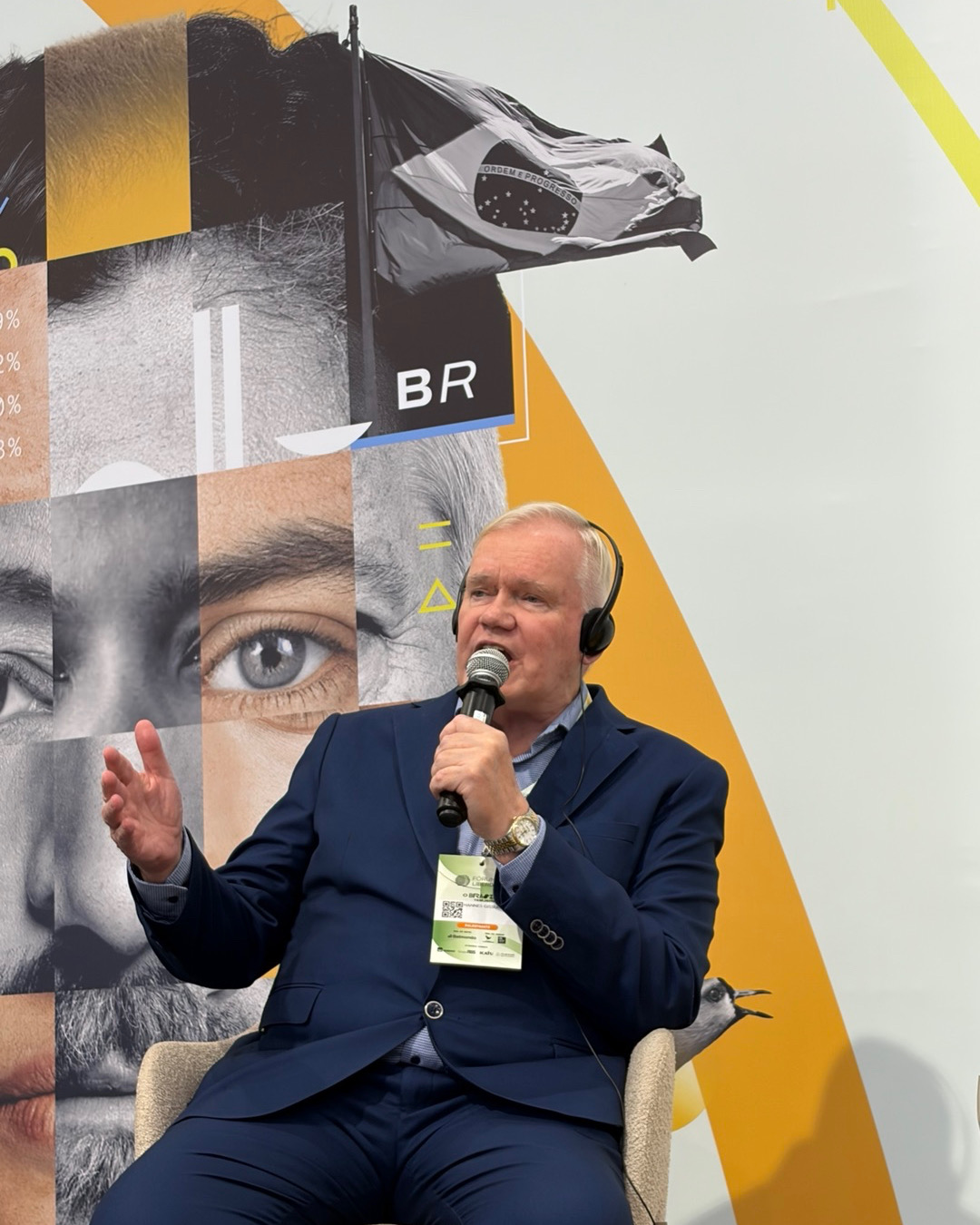
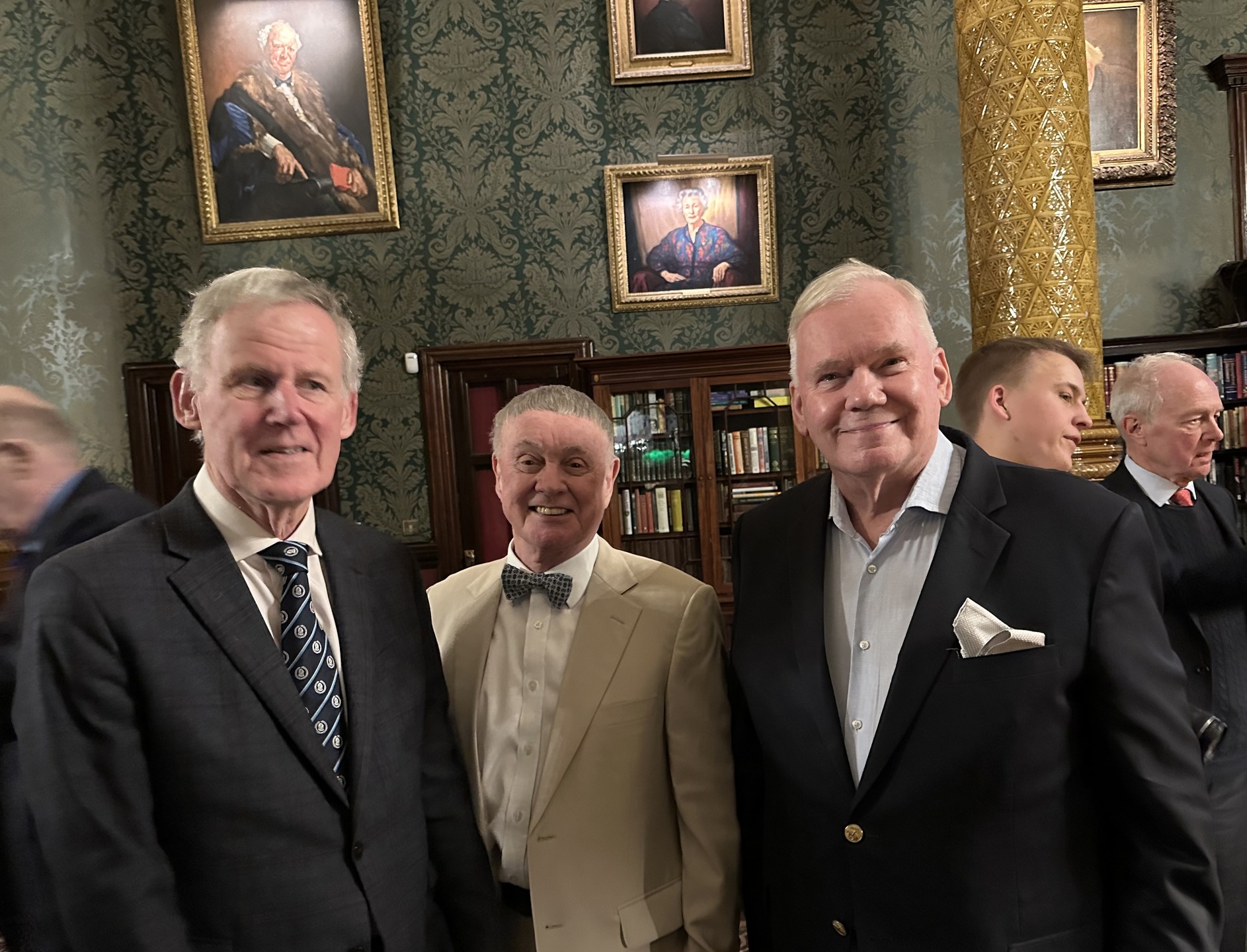
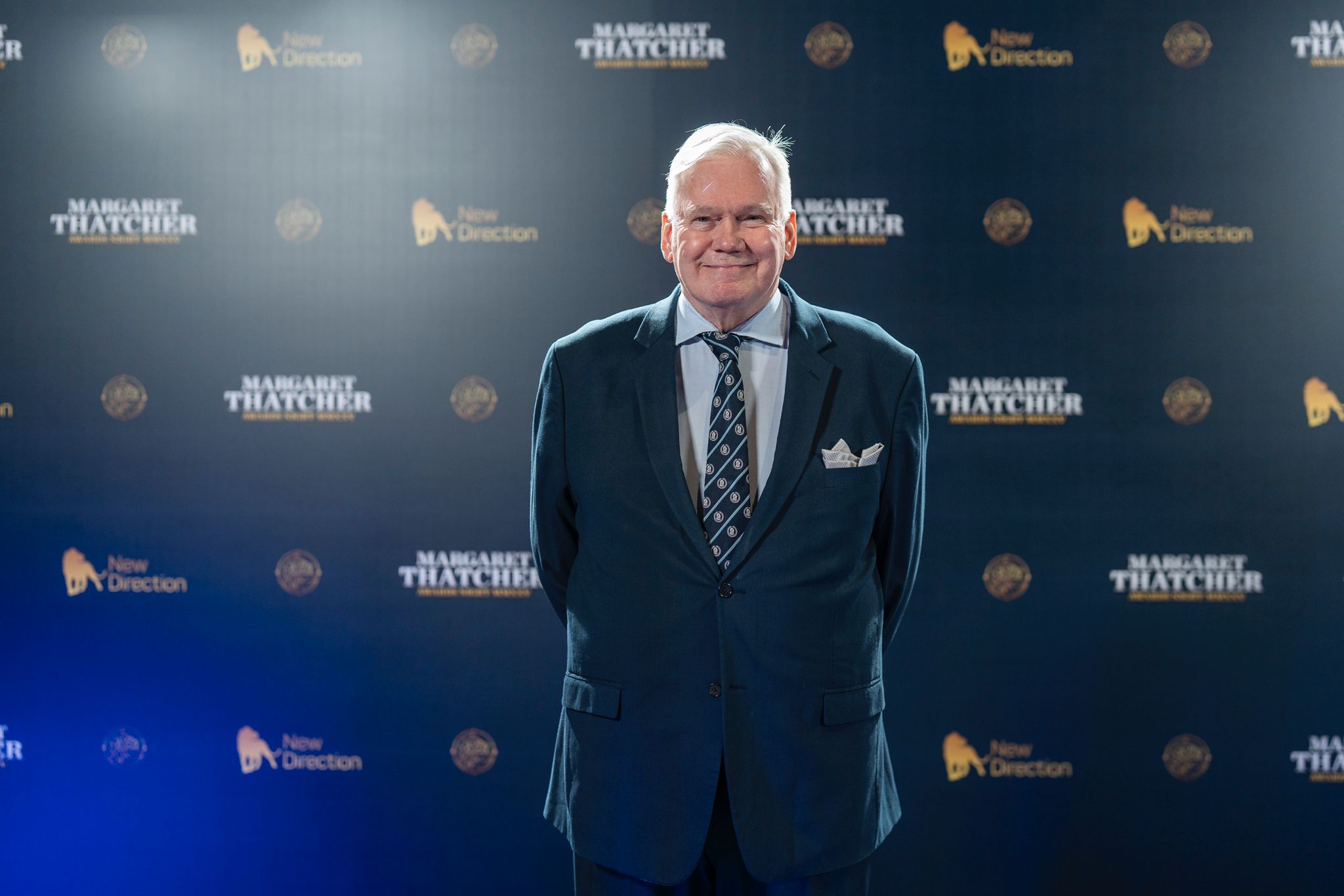
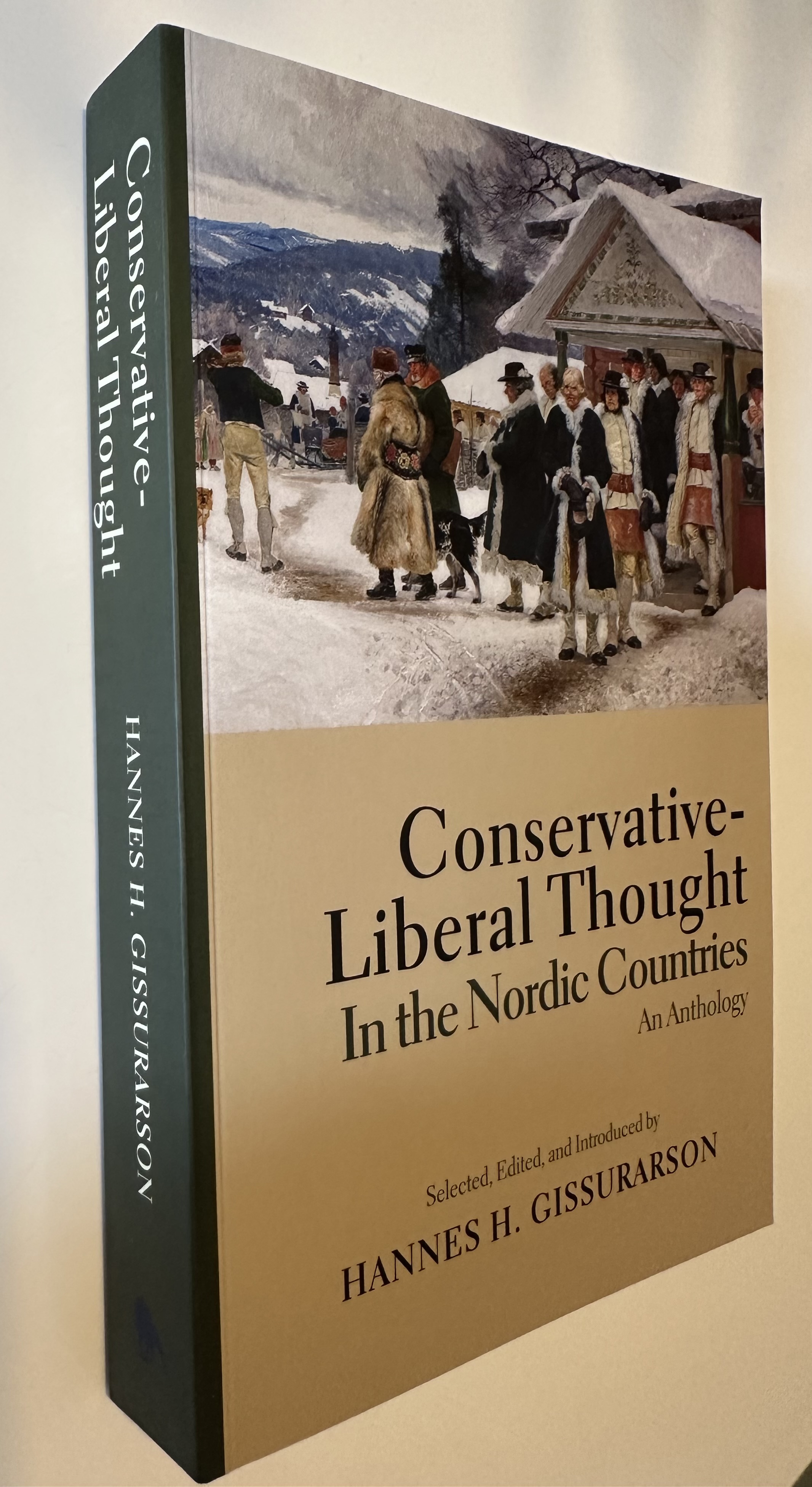
On 9 March 2026, 250 years had passed since Adam Smith’s Wealth of Nations was first published. On this occasion, the Adam Smith Institute in London held a meeting which was attended by RNH Academic Director Hannes H. Gissurarson, Professor Emeritus of Politics at the University of Iceland. There, he greeted the two founders and former leaders of the Adam Smith Institute, Dr. Eamonn Butler and Dr. Madsen Pirie, who have both visited Iceland to give lectures. Subsequently, Hannes wrote an article about the Wealth of Nations for the online magazine The Conservative where he pointed out that many of the ideas found in the book had been around for a long time, but that it was Adam Smith who organised them into a coherent and powerful system, on which the whole discipline of economics was built. The two most important ideas in the Wealth of Nations were still not understood by many: that one man’s profit need not be another man’s loss, and that order could arise without commands. When people tried to promote their interests, they could end up promoting the public interest, because they had to offer better goods or services than their competitors. Adam Smith’s theories had been resoundingly confirmed by experience. There was a strong correlation between economic freedom and high living standards.

Comments Off

An Evening in Rome

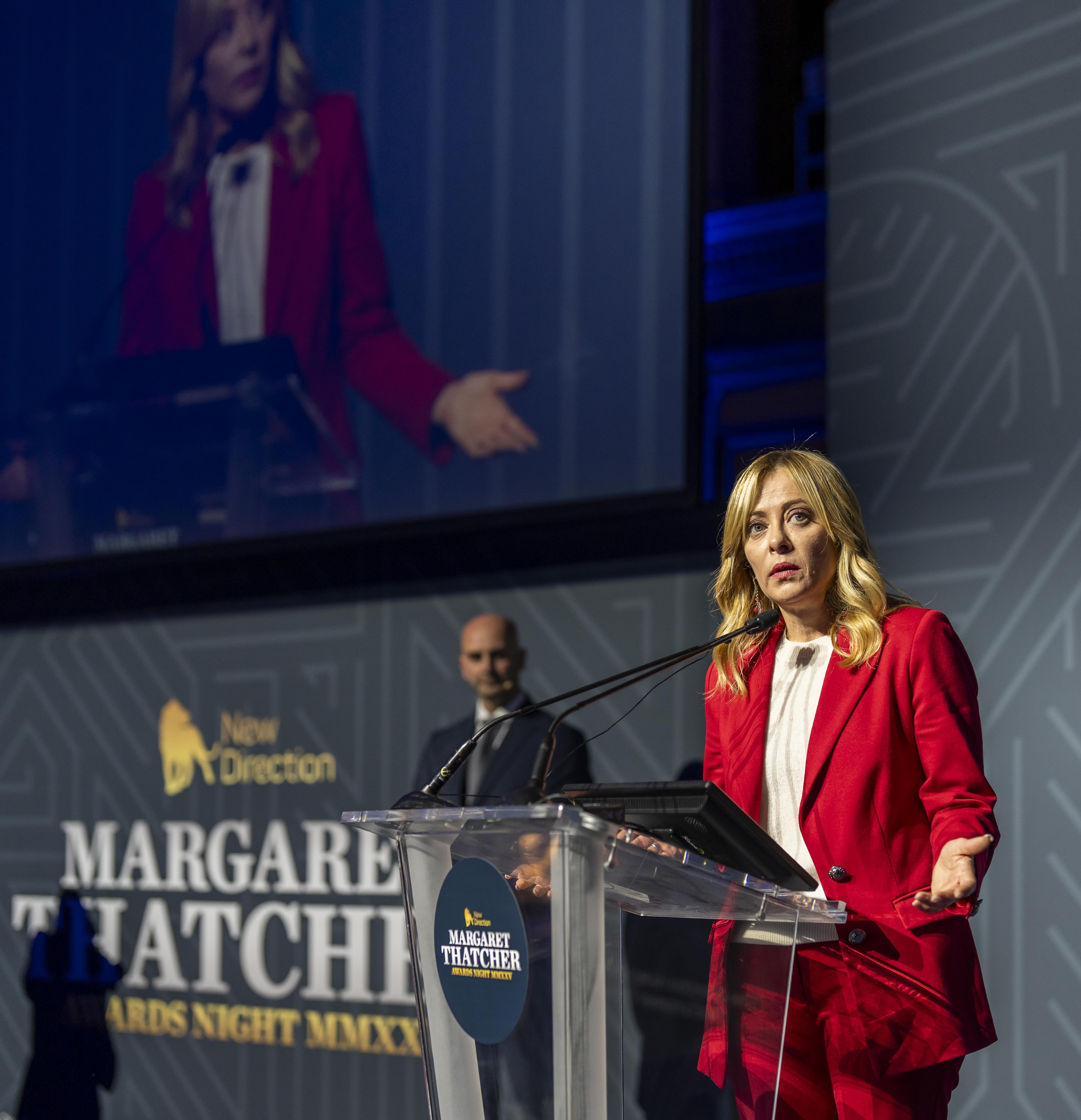
The Brussels think tank New Direction held a dinner in Rome on 11 December 2025, during which the Margaret Thatcher Awards were presented. Italian Prime Minister Giorgia Meloni received one of the awards and made a powerful speech in English about her ideas and inspirations, without any notes. Unquestioningly, Meloni is becoming the leading European conservative politician. RNH Academic Director, Professor Emeritus Hannes H. Gissurarson, attended the dinner and wrote two articles in The Conservative about it.

In the first article, Hannes commented on the names on a board at the entrance, each the nominal head of a table at the dinner. They gave a good idea of who inspires the contemporary conservative movement. There were six politicians on the list: British Prime Minister Margaret Thatcher, U.S. President Ronald Reagan, Polish President Lech Kaczyński, German Chancellor Konrad Adenauer, Australian Prime Minister John Howard, and Polish Marshal and Prime Minister Józef Piłsudski. Two other individuals on the board, Pope John Paul II and American writer William Buckley, might perhaps also be considered politicians. Hannes wrote that he had only met one of the eight, Thatcher, several times.

The writers in the group were Joseph de Maistre, Roger Scruton, Friedrich von Hayek, Edmund Burke, Giuseppe Prezzolini, Giacomo Leopardi, Milton Friedman, Benedetto Croce, Ludwig von Mises, Thomas Sowell, Alexis de Tocqueville, Mihai Eminescu, and Alessandro Manzoni. Hannes admitted that he had never before heard of Prezzolini and Eminescu, but that he was familiar with the works of Maistre, Burke, Leopardi, Croce, Mises, Tocqueville, and Manzoni. He had briefly met Scruton and Sowell at conferences, but he had been fortunate enough to get to know Hayek and Friedman quite well. He had arranged their visits to Iceland: Hayek came in 1980 and Friedman in 1984, and they both made a great impact. Personally, he would have liked to see Luigi Einaudi on the board rather than Benedetto Croce, and he regarded Maistre more as a reactionary than a real conservative.

The second article was about three Icelanders who had travelled to Rome. The first was Gudrid Thorbjornsdaughter, who led a remarkable life. Born in Iceland, she went in the 990s to Greenland, where she married. She and her husband went to what is now called North America in 1008 and tried to settle there. She gave birth to a son in America, the first child of European descent in America. Later, the family returned to Iceland and settled there. After Gudridur became a widow, she went on a pilgrimage to Rome around 1030. She was probably the most widely-travelled individual of her time. The second traveller to Rome was the poet Einar Benediktsson in 1903. He composed the poem ‘An Evening in Rome’ where he contrasted the glory of the Roman Republic with the corruption under the emperors, but also marvelled at the great cultural heritage the Romans left. The third traveller was Jón Thorláksson in 1923, on a belated honeymoon with his wife. He was a civil engineer who eventually became Iceland’s prime minister and leader of the conservative-liberal Independence Party. As he looked at the ruins of the Forum Romanum, he was on the verge of tears at the destruction of the once-proud city. Hannes H. Gissurarson wrote the biography of Jón Thorláksson, published in 1992.

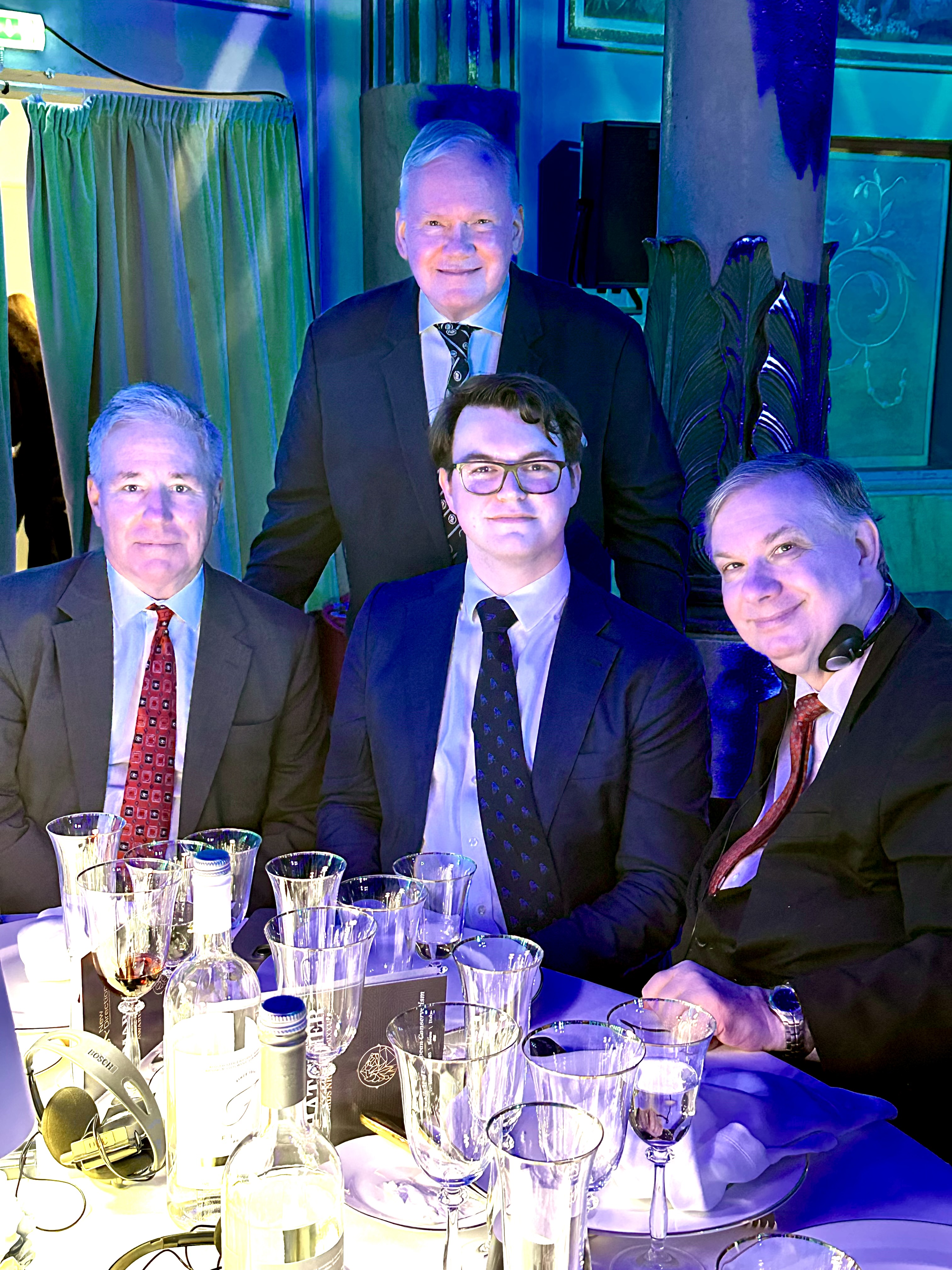
From left: Mitchell, Hannes, Tyler, and Fund.

At the dinner, Hannes was seated with three friends of Iceland who have often visited, Robert Tyler of New Direction, John Fund of National Review, and Dr. Dan Mitchell of Freedom and Prosperity Foundation. Others winners of the Margaret Thatcher Awards included Sviatlana Tsikhanouskaya, Leader of the Belarus opposition, Lord Michael Gove and French philosopher Rémi Brague. In Rome, Hannes also met with Sigmundur Davíd Gunnlaugsson, Chairman of the Icelandic Centre Party, and representatives of the Party’s youth wing that were attended a training camp run by Giorgia Meloni’s party, Fratelli d’Italia. The Centre Party is probably going to join the European Conservatives and Reformists, ECR. Previously, the Independence Party was a member, but it now has left the ECR and joined the European People’s Party, EPP. Hannes, Sigmundur Davíd, and the young Centre Party people had a good time in Rome, at the historic Harry’s Bar on Via Veneto and in other places.

Comments Off

Gissurarson Guest of Honour

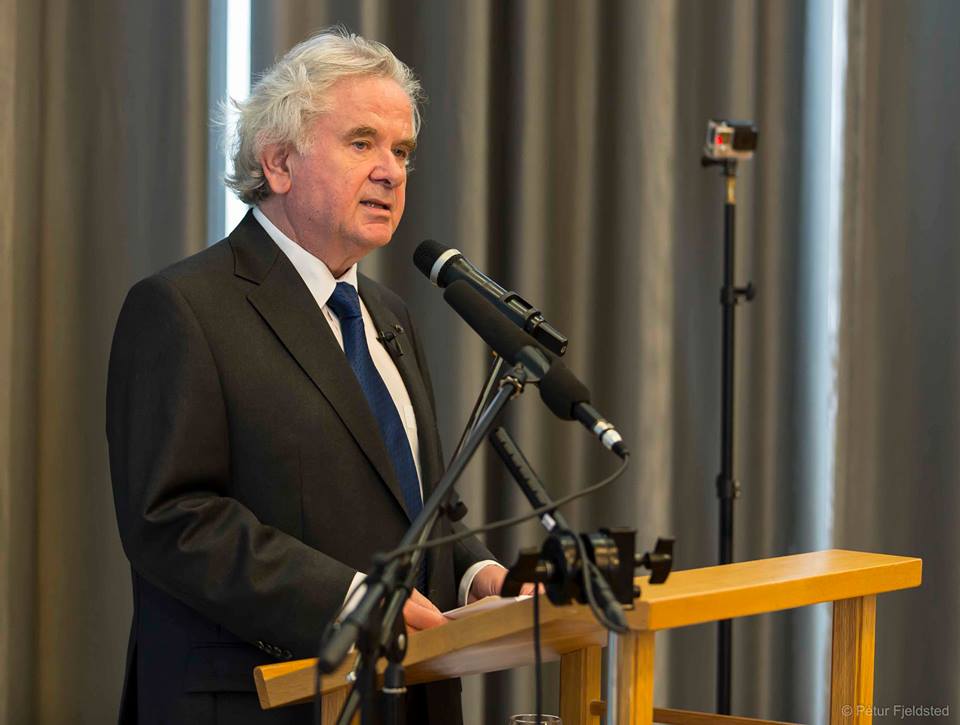
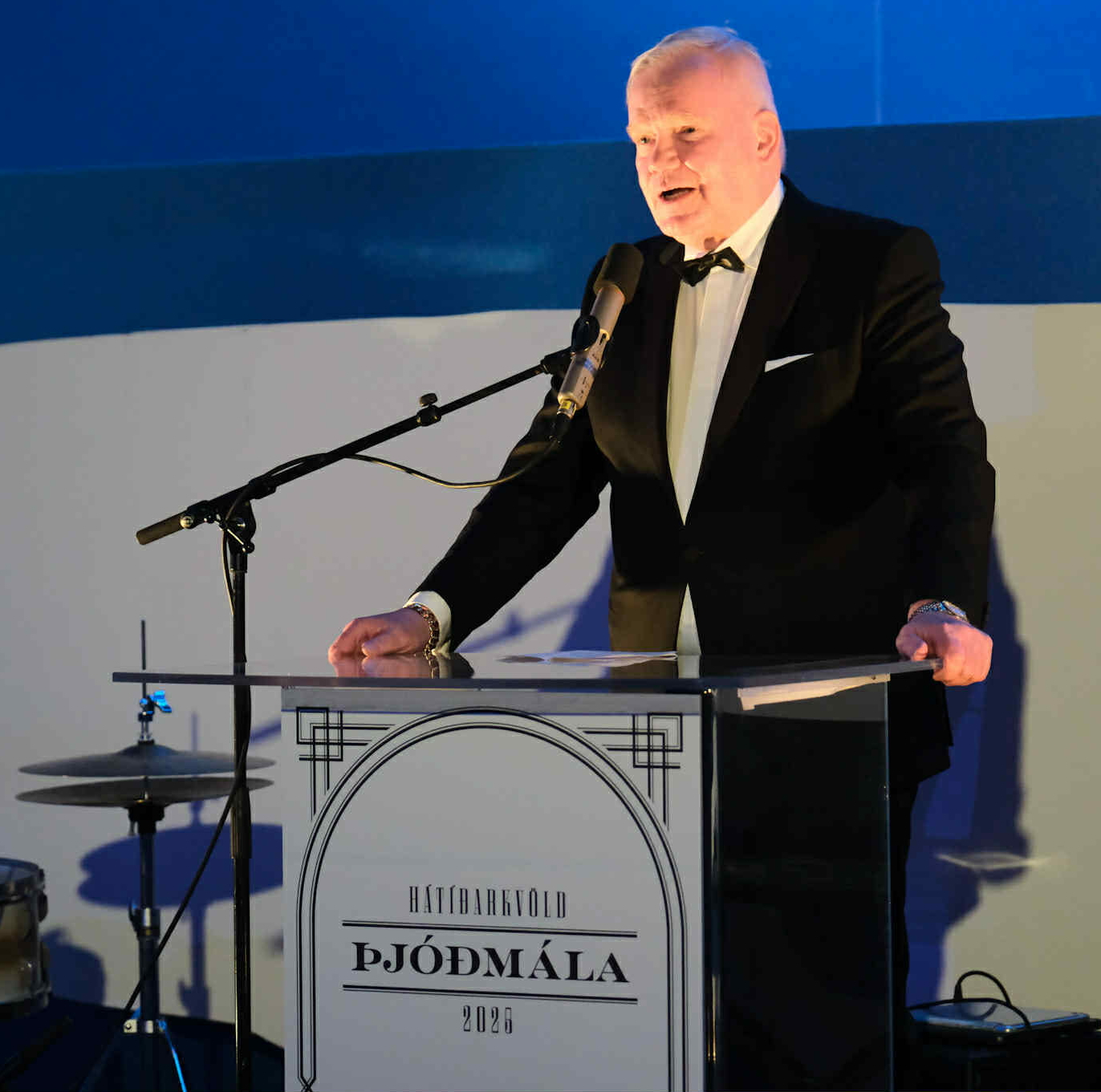
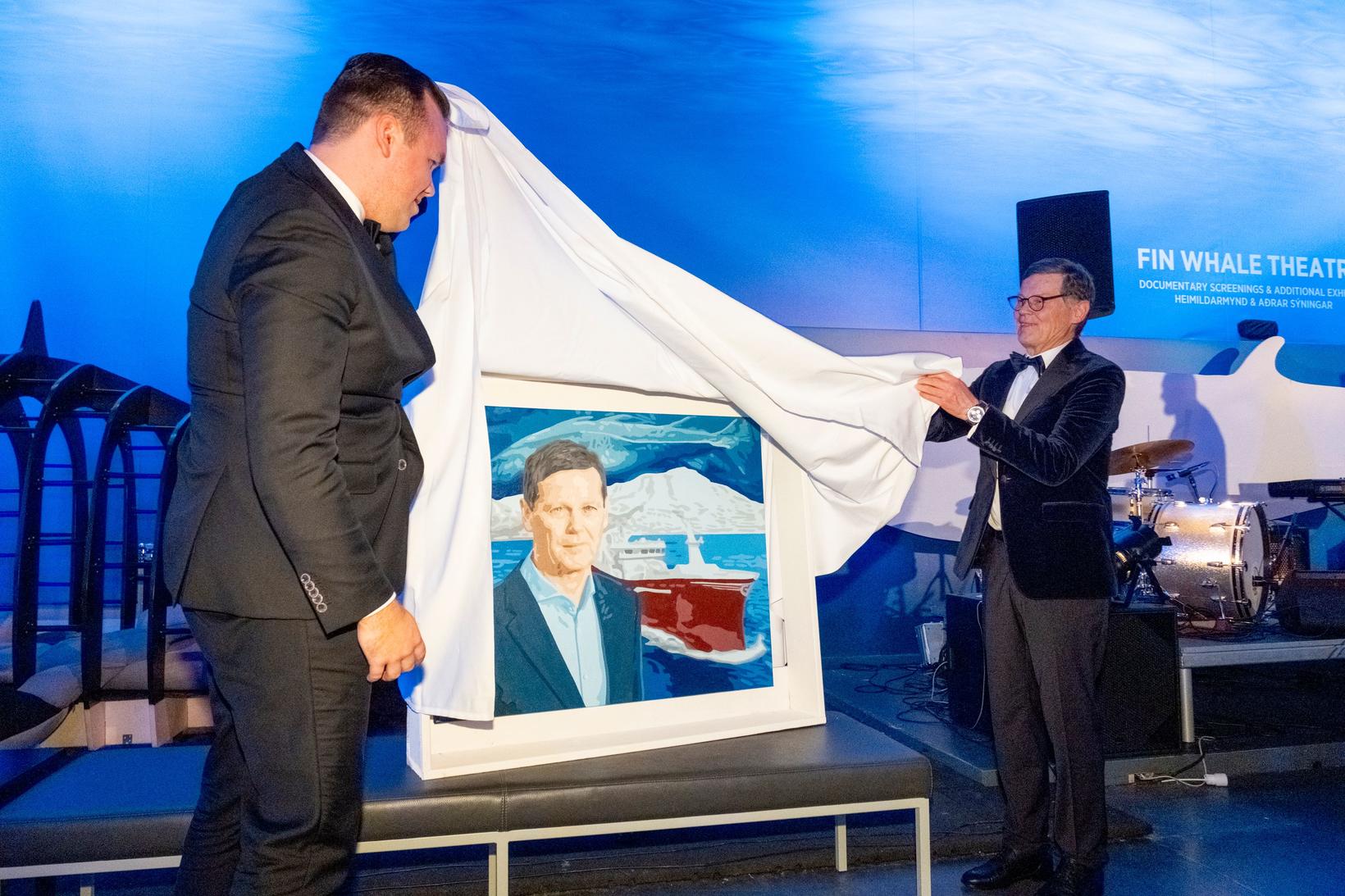
RNH Academic director, Hannes H. Gissurarson, Professor Emeritus in Politics at the University of Iceland, was the guest of honour at the annual Thjodmal Gala Dinner on 20 November where awards were given to innovative business leaders. The Whale Museum in Reykjavik was the venue of the event, which was attended by 270 guests. The choir Fostbraedur sang a few patriotic Icelandic songs, and the popular singers Eyjolfur Kristjansson, Stefan Hilmarsson, and Bergthor Palsson also performed. Gisli F. Valdorsson, who runs the Thjodmal podcast, delivered some opening remarks while the master of ceremonies, journalist Stefan Einar Stefansson, mocked the enthusiasm for raising taxes by the present Icelandic government. In his short speech, Professor Gissurarson told a few anecdotes about himself, Prime Ministers Bjarni Benediktsson and David Oddsson, Austrian economist Ludwig von Mises, and his left-wing colleagues in the Faculty of Politics at the University of Iceland who had been less than happy when he was appointed Professor in the Summer of 1988. Gissurarson recalled a lot of comical incidents at faculty meetings. He found it fitting that this dinner was at the Whale Museum because he, like the whales, migrated during the coldest and darkest months of the year from Iceland to the southern hemisphere. Gissurarson also quoted humorous observations about alcohol by Icelandic wits such as poet Tomas Gudmundsson and lawyer Jon E. Ragnarsson.

The prize for the most promising business venture was given to Hordur Orri Grettisson of Laxey, for the deal of the year to Hjorleifur Jakobsson of Askja, for leadership in business to Thorsteinn Mar Baldvinsson of Samherji, for entrepreneurship to Finnur Adalbjornsson and Sigridur Maria Hammer of Forest Lagoon (Skogarbod), and for social initiatives to Jon Gudni Omarsson of Iceland Bank. A portrait of Thorsteinn Mar Baldvinsson by Sigurdur Saevar Magnusarson was unveiled at the Gala Dinner.

Comments Off

New Audiences for Freedom

Deirdre McCloskey. Photo: Policy Exchange.

RNH Academic Director, Hannes H. Gissurarson, Professor Emeritus of Politics at the University of Iceland, attended a meeting of the Mont Pelerin Society in Marrakech in Morocco 7–10 October 2025. The MPS was founded by Friedrich A. von Hayek in April 1947. Its founding members included Milton Friedman, George J. Stigler and Maurice Allais, who were all to receive the Nobel Prize in Economics, as did Hayek. Other prominent founding members were Frank H. Knight, the father of the Chicago School of Economics, Ludwig von Mises, the father of the Austrian School of Economics, the philosophers Karl R. Popper from England and Bertrand de Jouvenel from France, the political theorist Herbert Tingsten and the economist Eli F. Heckscher from Sweden, and the economists Trygve Hoff from Norway, and Luigi Einaudi from Italy (who became President of Italy in 1948). Shortly afterwards, Ludwig Erhard, the author of the German economic miracle, and Reinhard Kamitz, the author of the Austrian economic miracle, joined the MPS. In the 1980s and 1990s, other successful reformers joined, including Sir Roger Douglas and Ruth Richardson from New Zealand, Vaclav Klaus from the Czech Republic and Mart Laar from Estonia. Some Nobel Laureates alongside the four founding members have belonged to the MPS, Gary S. Becker, Ronald H. Coase, James M. Buchanan and Vernon Smith in Economics and Mario Vargas Llosa in Literature. Prominent writers have also been members, including Otto von Habsburt, the heir in 1916–1918 to the Austrian-Hungarian throne, and Henry Hazlitt from the United States. The MPS has from the beginning sought to be a forum for discussions about freedom, its problems and prospects. Gissurarson attended his first meeting at Stanford in 1980, invited by Hayek. He became a member in 1984 and was on the Board of Directors in 1998–2004.

The Marrakech meeting was held at the Es Saadi hotel, and the theme was ‘Reaching New Audiences for Classical Liberalism’. The MPS President, Professor Deirdre McCloskey, addressed the opening dinner. Sessions were devoted to various topics, such as the dissemination of classical liberalism through cultural creations, the relationship between islam and liberty, and the challenges to the open society. At a luncheon Professor Peter J. Boettke and Dr. Nils Karlson debated whether classical liberals were progressing in the right direction. Professor Gabriel Calzada, former MPS President, addressed the closing dinner which took place in the Soleiman Palace. The Chatham Rule applies to meetings of the MPS which implies that direct quotations from talks are not allowed. The Marrakech meeting was ably organised by Dr. Nouh El Harmouzi from Morocco and Michel-Kelly Magnon from Canada. On the last day of the meeting, the participants went on an excursion around Marrakech, visiting the Bahia Palace and other places.

Gissurarson used the opportunity to meet a few friends of Iceland, including Dr. Eamonn Butler from the Adam Smith Institute in London, Dr. Barbara Kolm from the Austrian Economics Center in Vienna, Dr. Phillip Magness from the Independent Institute in Oakland, Dr. Tom Palmer from Atlas Network in Washington DC, Dr. Nils Karlson from Ratio Institute in Stockholm, Professor Alberto Mingardi from IULM in Milan, and Terry Anker from Liberty Fund, Indianapolis. On one free evening, the Nordic participants had dinner together, all from Sweden except Professor Gissurarson. From left: Susanne Karlson, André Dammert, Professor Lotta Stern, Gissurarson, Nils Karlson, Anders Ydstedt, and Professor Carl-Gustaf Thulin.

Comments Off

EU: Friend or Foe of Liberty?

Júlíus Viggó Ólafsson.

The meeting hall of the Icelandic House of Museums (Safnahusid) was packed on Saturday 4 October when Students for Liberty Europe and RSE, the Icelandic Research Centre for Social and Economic Affairs, jointly held a conference on ‘The European Union: Friend or Foe of Liberty?’ Breki Atlason, the Icelandic coordinator of Students for Liberty, chaired the meeting, while Professor Emeritus Hannes H. Gissurarson, on behalf of RSE, introduced the speakers and directed the questions and answers period. Júlíus Viggó Ólafsson, economics students at the University of Iceland and the leader of Young Independents, gave a short opening address. He said that young people were increasingly rejecting the Left, both in Iceland and elsewhere, but that even if some of them turned to national conservatism, it was important that they did not reject economic freedom, the engine of progress. Dr. Eamonn Butler, former Director of the Adam Smith Institute in London and the author of several books on classical liberal themes, spoke first in the former session. He is an old friend of Iceland, being one of the few who publicly protested against the use of an anti-terrorism law against Iceland during the 2008 Icelandic bank collapse. Butler said that Brexit, the exit of Great Britain from the European Union, was for him and other Brexiteers about regaining control of their own country, instead of seeing it transferred it to a non-transparent, undemocratic, non-accountable bureaucracy in Brussels. Brexit was, he submitted, a success in that indeed Great Britain had regained her sovereignty, but what he and other Brexiteers had underestimated was the sheer malevolence of the Brussels bureaucrats who had tried to make the process as difficult and cumbersome as possible.

From left: Breki Atlason, Eamonn Butler, John Fund, and Ragnar Árnason.

When introducing John Fund, Editor of National Review and commentator on Fox News, Professor Gissurarson quoted the old Chinese curse: May you live in interesting times. Indeed, the Americans now lived in interesting times, he said. Fund spoke about the rise of populism in North America and Europe. It signified a widespread feeling, he said, that the ruling elites on those two continents were ignoring the interests and ideas of ordinary people, not least the worry that left-wing extremists and religious zealots from afar were imposing their views on others. Fund added that the Icelanders were facing a historic decision about the European Union: whether or not to transfer control from Reykjavik to Brussels. If they decided to defy the elites, it would be noted all over the world. Fund was interviewed by Morgunbladid on 4 October and by RUV, the government broadcasting station, on 6 October where he mainly discussed American politics.

Ragnar Árnason, Professor Emeritus of Economics at the University of Iceland, pointed out what he regarded as obvious: You only decide to join an association if you think that it will benefit you in some way. In his estimate, the costs for Iceland of joining the European Union were much greater than the benefits. Iceland was one of the most prosperous European countries, like two other non-members, Norway and Switzerland, and therefore she would be a net contributor to the European Union. She had great natural resources, undoubtedly coveted in Brussels. Moreover, Iceland did not have to join the EU in order to ensure her security: She already had a defence treaty with the United States and she was a member state of NATO, the North Atlantic Treaty Organisation. If Iceland became a member country, she would have no more say on European affairs than other small European countries which had, as everybody could observe, negligible influence. Árnason added that even if it was concluded that the benefits of membership would slightly outweigh the costs, there was an additional invisible cost which was that under the circumstances of uncertainty, the decision was almost irreversible. Therefore, even if the benefits were estimated to outweigh the costs, it would be rational to postpone a decision until it was clear what the future would hold. There was more to lose from the decision to join if it turned out to be wrong than there was to gain from it if it turned out to be sensible.

Árnason Slides

A lively discussion followed the first session. Dr. Daniel Mitchell of the Freedom and Prosperity Association in Washington DC spoke first in the second session. He pointed out that the gap between living standards in the United States and the European Union had increased in the last few decades. The EU countries had stagnated, and this was, he submitted, because they enjoyed less economic freedom and suffered higher taxes than the United States. He illustrated this with a lot of graphs whose data were all from respected sources such as the World Bank. The EU was a sinking ship, he said. It might have been sensible by the poorer nations of Europe to join the EU to ensure their security and to improve their legal framework, but it made no sense for Iceland. After the conference, Mitchell wrote a blog about it.

Mitchell Slides

Siri Terjesen.

When introducing the two last speakers, Siri Terjesen, Professor of Economics at Florida Pacific University, and Gale Pooley, Professor of Economics at Utah Tech University, Professor Gissurarson reminded the audience of another Chinese saying: Lit the candle instead of just cursing the darkness. These two speakers were going to talk about hope, the possibility of a better future for young people despite bureaucrats and demagogues, the conditions for progress, economic growth, improved living standards. Terjesen explained to the audience the great benefits of encouraging entrepreneurship by moderate taxes and an efficient but light regulatory framework. Pooley introduced a new way of thinking about living standards. It was not in terms of money, not even money adjusted to the price level. This was thinking in terms of ‘time price’ which was money price divided by hourly income. Progress was that it was taking lesser and lesser time to earn the money to buy goods. For example, for the time you had to work in 1952 to buy an air conditioning unit, you could in 2024 for the same time get 45. 5 units. For the time you had to work in 1900 to buy one bottle of Coca Cola, you could in 2023 for the same time get 55.2 bottles. Pooley emphasised the creativity of human beings, as he had done in his recent book, coauthored with Marian Tupy, Superabundance.

Terjesen Slides

Pooley Slides

Snorri Másson.

Snorri Másson, Member of Parliament for the Centre Party, made some brief closing remarks. He said that a massive onslaught on the freedom of speech had taken place in the West in recent years, under the banners of wokeism and cancel culture. It was crucial for young people to resist this onslaught. It should never be forgotten that freedom was also the freedom to express unpopular opinions. After the conference, RSE invited all the participants to a reception on the premises where a lively discussion took place again. In the evening, the foreign speakers and the leadership of Students for Liberty Europe attended a barbecue at Professor Gissurarson’s home, where Einar Arnalds Kristjánsson was in charge of cooking. Lukas Schweiger, a former Chairman of Students for Liberty Europe and an Austrian resident in Iceland, Halla Margrét Hilmarsdóttir, a veteran of Students for Liberty Europe, and Gísli Valdórsson, project manager at RSE, also helped organise the conference and contributed much to its success.

Comments Off

Gissurarson: Iceland Not a Part of the Continental Project

RNH Academic Director Hannes H. Gissurarson published an article in Morgunbladid on 2 October 2025, promoting a conference to be held on 4 October by Students of Liberty Europe and RSE, the Icelandic Research Centre for Social and Economic Affairs, on ‘The European Union: Friend or Foe of Liberty’. He said that initially the EU was a force for economic freedom in Europe, facilitating the free movement of capital, goods, services, and people across borders, the celebrated four freedoms. This was quite successful. Economic integration, benefitting everybody, had been more or less accomplished in the early 1990s. But in the 1990s, forces that wanted political integration, centralisation, even a European superpower, took over. After the 1989 collapse of the Berlin Wall, France only supported German reunification if Germany would support further centralisation, and the euro.

Gissurarson then discussed the lack of democracy and transparancy in the present EU institutions, especially in the EU Commission, and in the Court of Justice of the EU. He suggested that the EU should be reformed and the Subsidiarity Principle should be reinstated as its guiding principle. He outlined six ideas to reform the EU: 1) the Commission should be turned into an ordinary civil service, 2) legislative power should be partly returned to national parliaments and partly transferred to the European Parliament, 3) the European Parliament should be split into two chambers, one the present European Council, the other one the present Parliament, 4) penalities should be applied to the governors of the European Central Bank if they break the rules in its Charter (as they have blatantly done), 5) the Court of Justice of the EU should be split into two, a Subsidiarity Court only about whether that principle was broken, and another Court, dealing with other issues, and 6) judges should not be selected from a pool of euroenthusiasts, but from the ranks of experienced judges.

Gissurarson observed that Iceland, a remote island in the north, was never a part of the continental project, the decision by the French and the Germans to stop their endless wars. He recalled the history of the Icelandic Commonwealth, where chieftains and farmers had emphasised Icelandic exceptionalism. It was no coincidence, Gissurarson added, that the three richest countries in Europe, Switzerland, Norway, and Iceland, were all outside the EU. He also discussed a remarkable speech given by euroenthusiast Guy Verhofstadt in Iceland on 21 September where he said, quite firmly, 1) that the EU should become a superpower competing with the US and China, and 2) that the member states had to be all in or all out, as the EU was not a menu from which you could choose what you wanted, as the British had imagined.

Gissurarson then briefly introduced the speakers at the forthcoming conference, commenting that perhaps they could help the audience to understand some important issues: Dr. Eamonn Butler on Brexit; John Fund on American politics; Professor Ragnar Árnason on arguments for and against Iceland joining the EU; Dr. Daniel Mitchell on the stagnation in the EU compared to the US; Professor Siri Terjesen on the hope that creativity and entrepreneurship provide for young people; and Professor Gale Pooley on the remarkable findings of his new book on Superabundance.

Comments Off