Wealth Maximisation Not the Point

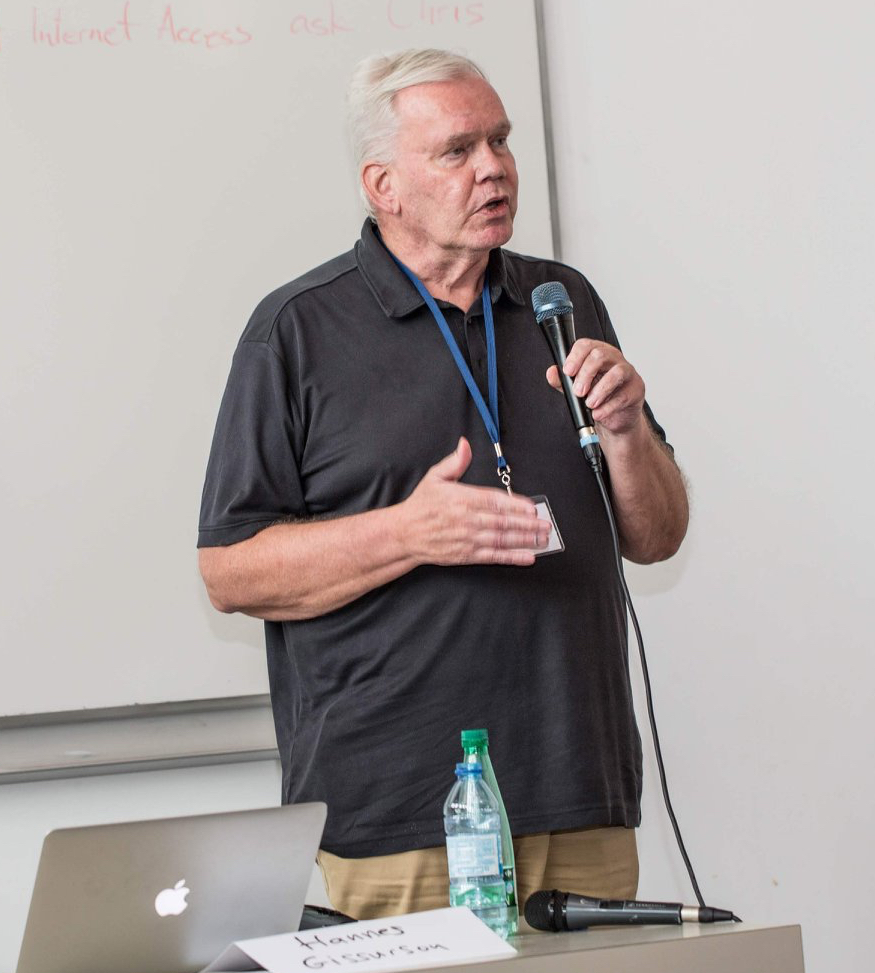
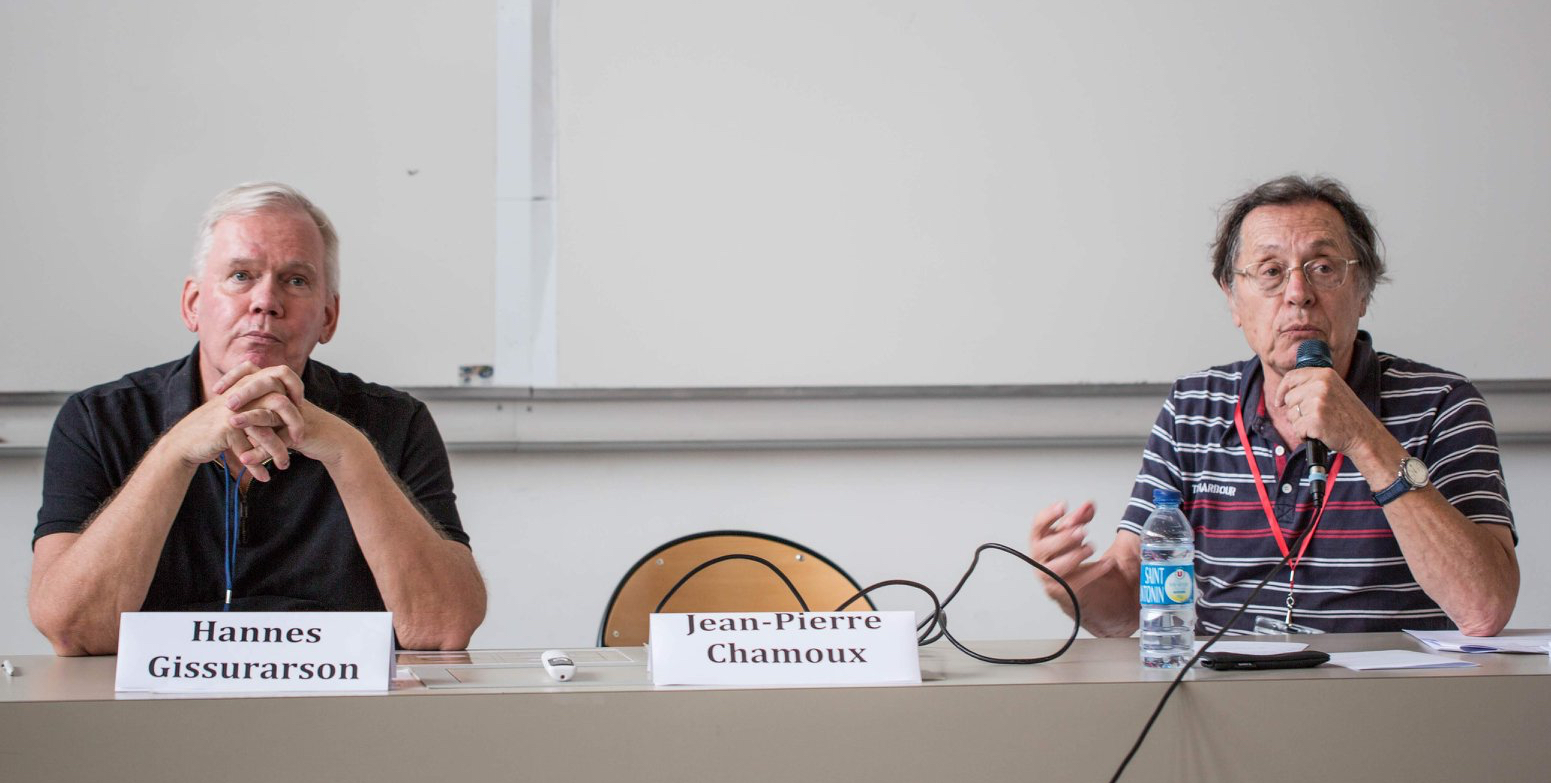
At a Liberty Fund Colloquium in Petrópolis in Brazil, RNH Academic Director Hannes H. Gissurarson said that a free economy was purposeless, but not pointless. The point was not to maximise anything, but to bring about the spontaneous coordination of individuals pursuing different and often conflicting aims. American legal philosopher and judge Richard Posner maintained however that judges should aim at wealth maximisation in their decisions. Gissurarson said that this was sometimes relevant, but not always. He recalled the famous decision by King Salomon when two women put forward claims to the same baby. When Salomon had asked for a sword in order to cut the baby into two, he had not been seeking a mean: he had been testing which of the two women valued the child more. This was an example of wealth maximisation. If it would have been known which of the two women was really the mother, she would of course have been assigned the baby. A judge first had to ascertain existing rights and claims, and by default he could try to maximise wealth, transfer goods to those who valued them the most.

One topic discussed at the Colloquium was accidents and the price of human lives. Gissurarson pointed out the enormous waste caused by airport security where passengers had to wait in line for half an hour or more, eight million people every day on average. If human lives could be priced, then it might pay greatly to reduce such security even if it meant that some lives would be lost in terrorist attacks. In a discussion on redistribution Gissurarson rejected the common idea that a dollar was worth more to a poor person than to a rich one so that total happiness or utility would increase by its transfer from the rich to the poor. Often, Gissurarson maintained, the rich was rich precisely because a dollar was worth more to him than to others. Many wealthy people were entrepreneurs who felt the need for all their dollars in new projects. A lively discussion on many related topics took place at the Colloquium which was directed by Professor Eduardo Mayora from Guatemala on 11–14 April 2019.

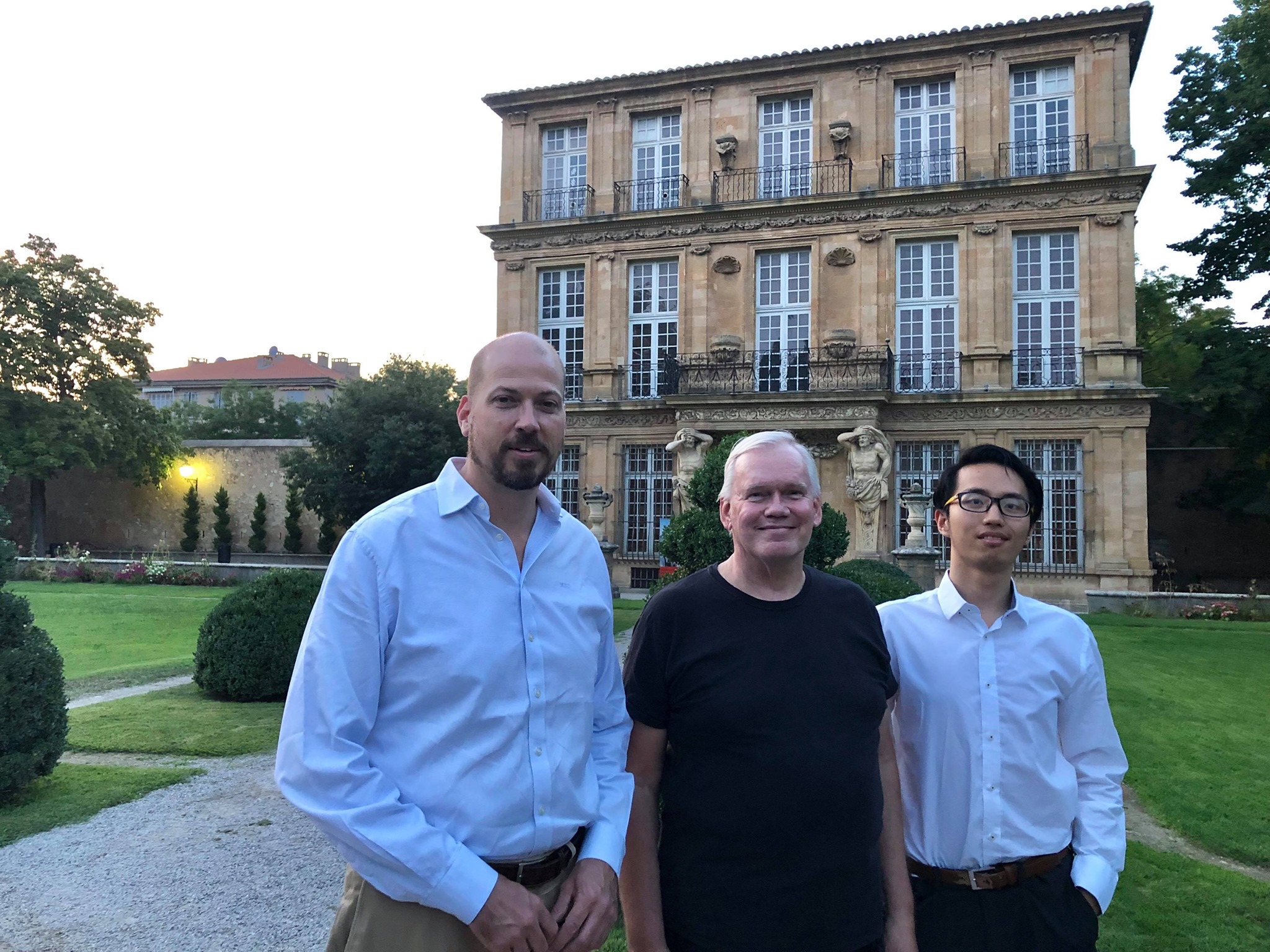
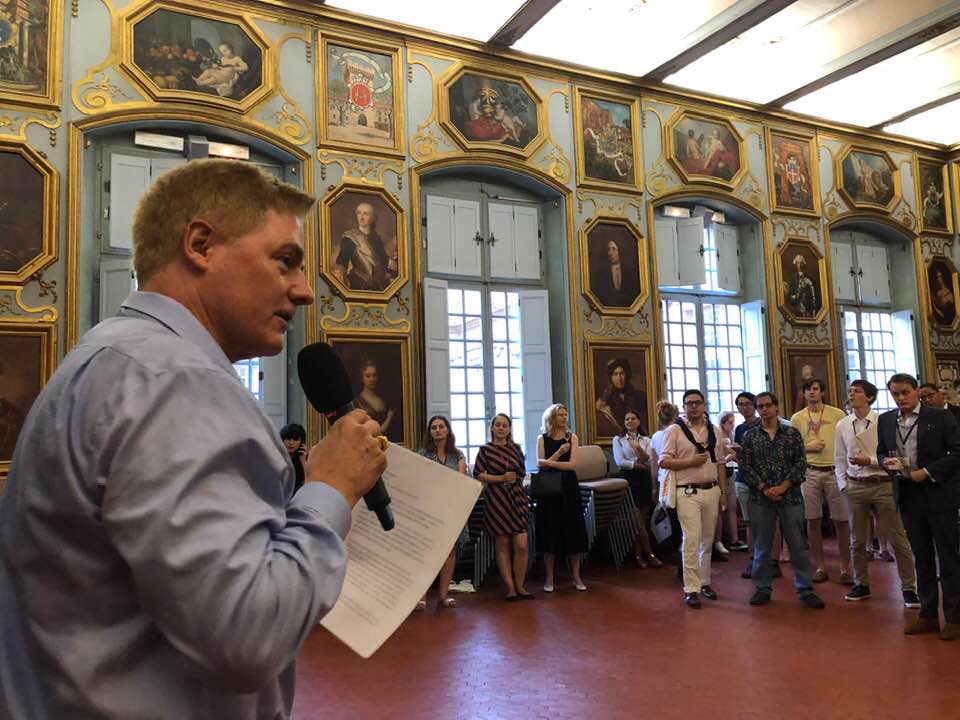
Participants in the Colloquium. Photo: Daniela Becker.

Comments Off

The Nordic Model is Liberal

In discussions about the Nordic countries, many mention social democracy, as social democrats rules the three Scandinavian countries for decades in the 20th century. However, there is indeed a strong liberal tradition in the Nordic countries, Professor Hannes H. Gissurarson argued in a paper he read 6 April 2019 at the annual conference of APEE, Association of Private Enterprise Education, on Paradise Island in the Bahamas. Gissurarson recalled that Swedish-Finnish priest Anders Chydenius had advanced a theory about the harmony of private interests and the public good before Adam Smith; and that Swedish statesman Johan August Gripenstedt had in mid-19th century contributed greatly to the first Swedish Model of economic freedom and enterprise. This first model led to tremendous progress: In 1870–1936, economic growth in Sweden was the most rapid in the world. The second Swedish Model was pursued by the Social Democrats in 1970–1990, with high taxes and extensive redistribution, but it proved to be unsustainable, and the Swedes are now following the third Swedish Model, reducing taxation and providing more scope for private enterprise, even if they have not abandoned generous welfare provisions.

Prof. J.R. Clark (right) accepting his Distinguished APEE Fellow award from APEE President Prof. Andrew Young

Gissurarson pointed out that Jon Sigurdsson, the leader of Iceland’s struggle for independence, was a classical liberal, as was clear from his many magazine articles. The authors of the two first books on economics in Icelandic, Arnljotur Olafsson and Jon Thorlaksson, also were committed classical liberals. Gissurarson gave an account of the extensive liberal reforms in Iceland in 1991–2004, privatisation, tax cuts, strengthening of pension funds and an opening up of the economy as a result of membership of the EEA, European Economic Area. He argued that the success of these reforms was best demonstrated by the fact that Iceland recovered quickly from the severe blow of the 2008 bank collapse.

Dr. Jerry Jordan was elected President of APEE, replacing Professor Andrew Young. A monetary theorist, Jordan was President of the Federal Reserve Bank of Cleveland for eleven years. Professor James Ottesen was elected Vice President, Professor Benjamin Powell Treasurer and Professor Edward Stringham Editor of the Journal of Private Enterprise. Professor J. R. Clark was elected Distinguished Fellow of APEE. Gissurarson’s participation in the conference formed a part of the joint project with ACRE on ‘Bluegreen Capitalism for Europe’.

Gissurarson Slides on Paradise Island

Comments Off

Conference on Paradise Island

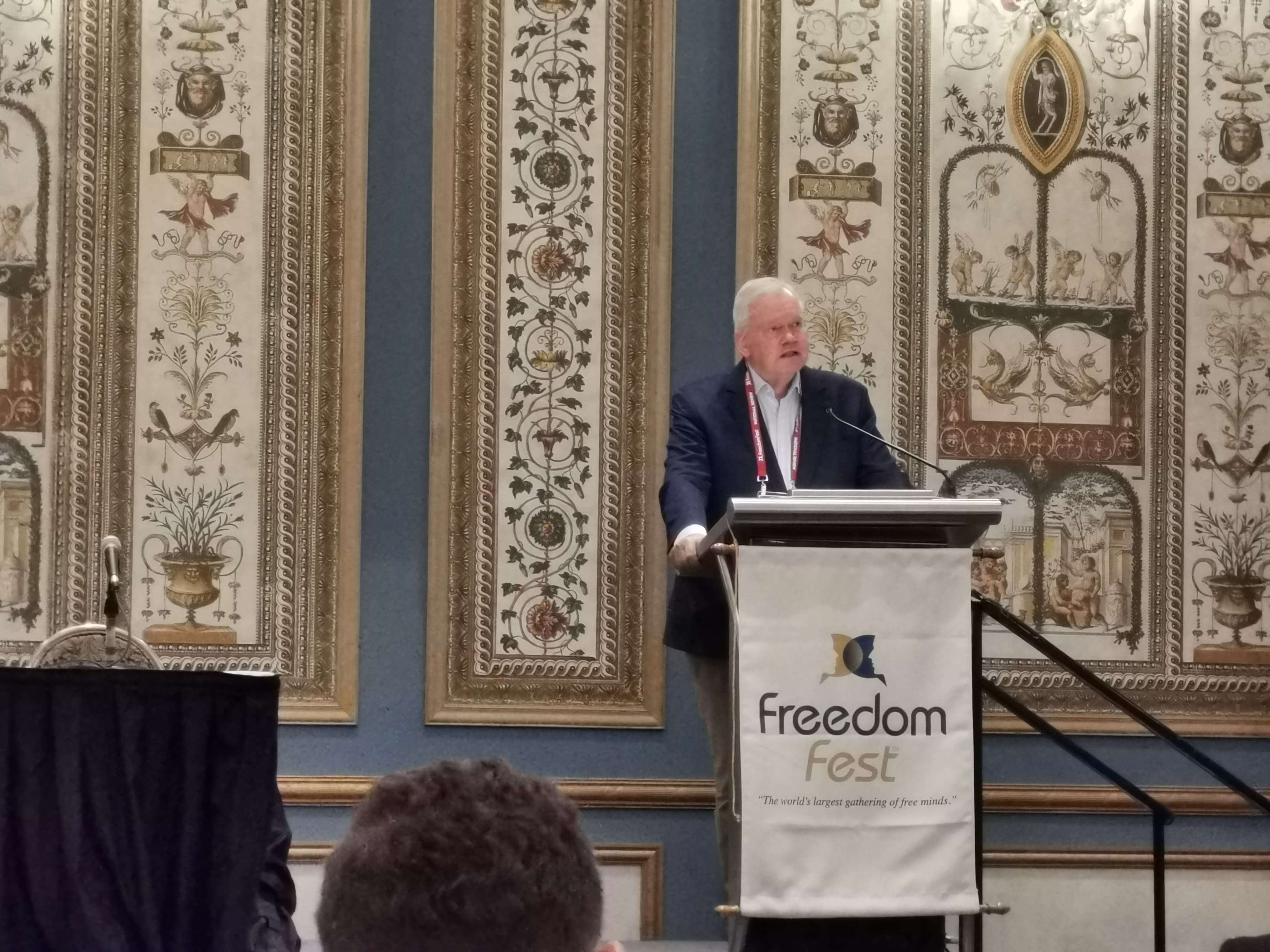
APEE, Association of Private Enterprise Education, holds its annual conference at Atlantis Hotel on Paradise Island in the Bahamas 5–8 April 2019. The extensive programme includes keynote papers by Professor Mario Rizzo, New York University, on rationality and economic analysis, Professor Peter Boettke, George Mason University, on governance and classical liberalism, and Dr. Alex Chafuen, Acton Institute, on barriers to wealth creation. RNH Academic Director, Professor Hannes H. Gissurarson, gives a talk in a seminar on classical liberalism in Europe. The talk is on “Nordic Liberalism”, with special reference to the Swedish model(s). The seminar is chaired by Dr. Michael Walker, former Director of Fraser Institute, Vancouver. Other talks at the seminar are on Ukraine, the Baltic countires and other post-communist countries in Europe.

Gissurarson Slides on Paradise Island

Comments Off

Gissurarson: Blue Economy Can Prosper

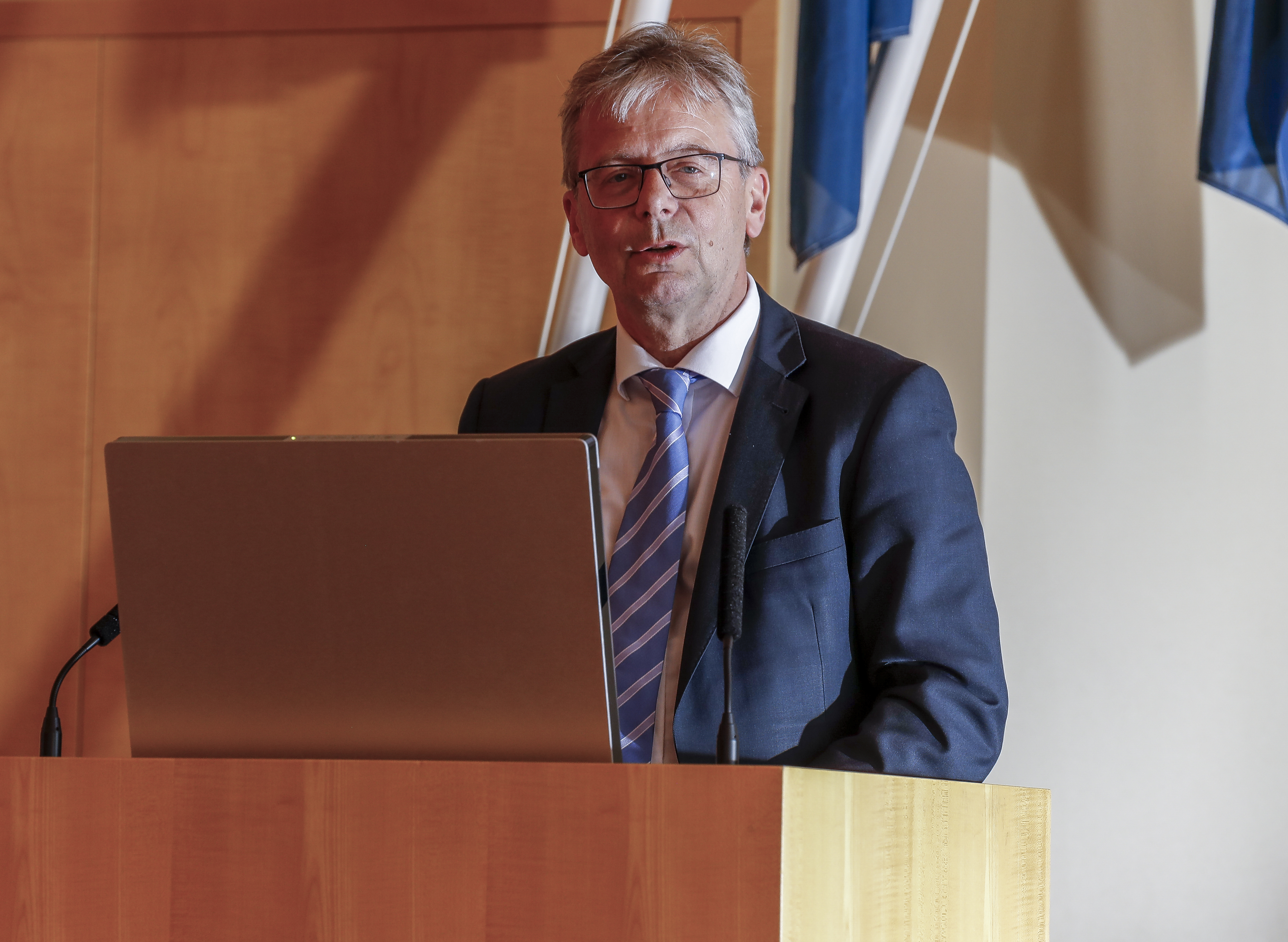
In the Icelandic fisheries a sustainable and profitable system has been developed, that of individual transferable quotas, ITQs, Professor Hannes H. Gissurarson, RNH Research Director, said at an international conference on the ‘Blue Economy’ — on security at sea and the utilisation of marine resources — held in Gdynia in Poland 22 March 2019. Polish MEP Anna Fotyga, a former Foreign Minister of her country, organised the conference where topics discussed included the concept of the open sea, possibilities and challenges in the Arctic and aggression by the Russians in the Black Sea and by the Chinese in the South China Sea. Other speakers included Mark Gróbarczyk, Polish Minister of Maritime Affairs, Rear Admiral Tomasz Szubrycht, Rear Admiral Nils Wang, former Head of the Royal Danish Navy, James Bergeron, political adviser to Commander, Allied Maritime Command in Northwood, United Kingdom, and Batu Kutelia, former Ambassador of Georgia to the United States. In his talk, Professor Gissurarson emphasised that the Icelandic system of individual transferable quotas had developed without depriving anyone of any significant right: the only right which had been removed was that of harvesting fish at zero profit, as fisheries economists had demonstrated would be the case under open access; and by definition this right was worthless. Therefore initial allocation of quotas on the basis of catch history (often called ‘grandfathering’) was the only politically feasible way of introducing an ITQ system in fisheries. Gissurarson pointed out that Locke had set the proviso on private appropriation from the commons that nobody be worse off by it, and that this was the case with the initial allocation of individual transferable quotas in the Icelandic fisheries.

Professor Gissurarson has published two books in English on the fisheries, Overfishing: The Icelandic Solution (2000) and The Icelandic Fisheries: Sustainable and Profitable (2015). He also recently published Green Capitalism: How to Protect the Environment by Defining Private Property Rights (2018). Gissurarson’s participation in the conference formed a part of the joint project with ACRE on ‘Bluegreen Capitalism for Europe’.

Gissurarson Slides in Gdynia 22 March 2019

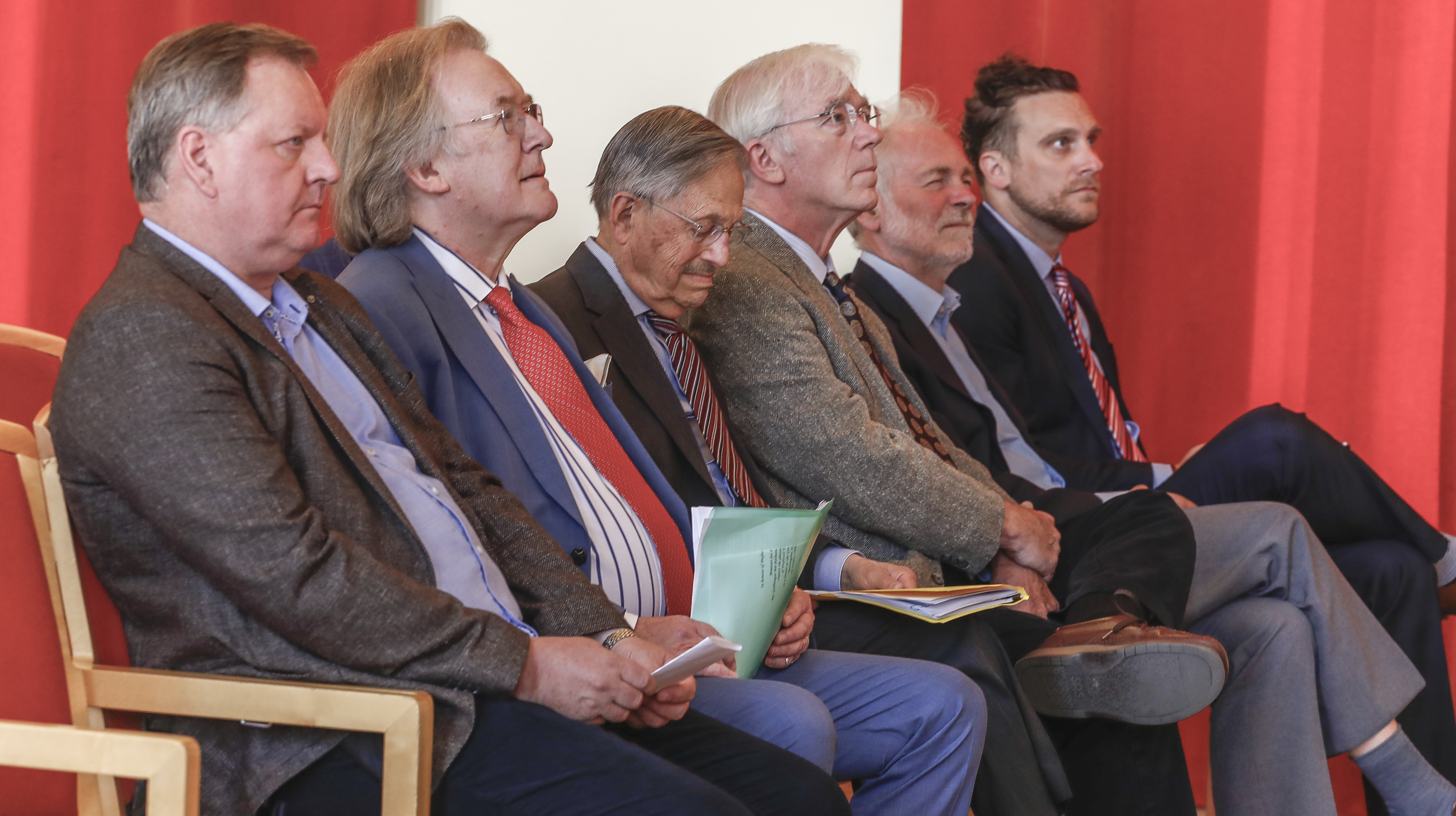
Government ministers, admirals, members of parliament and speakers at the Gdynia conference.


Comments Off

Some Forthcoming RNH Events

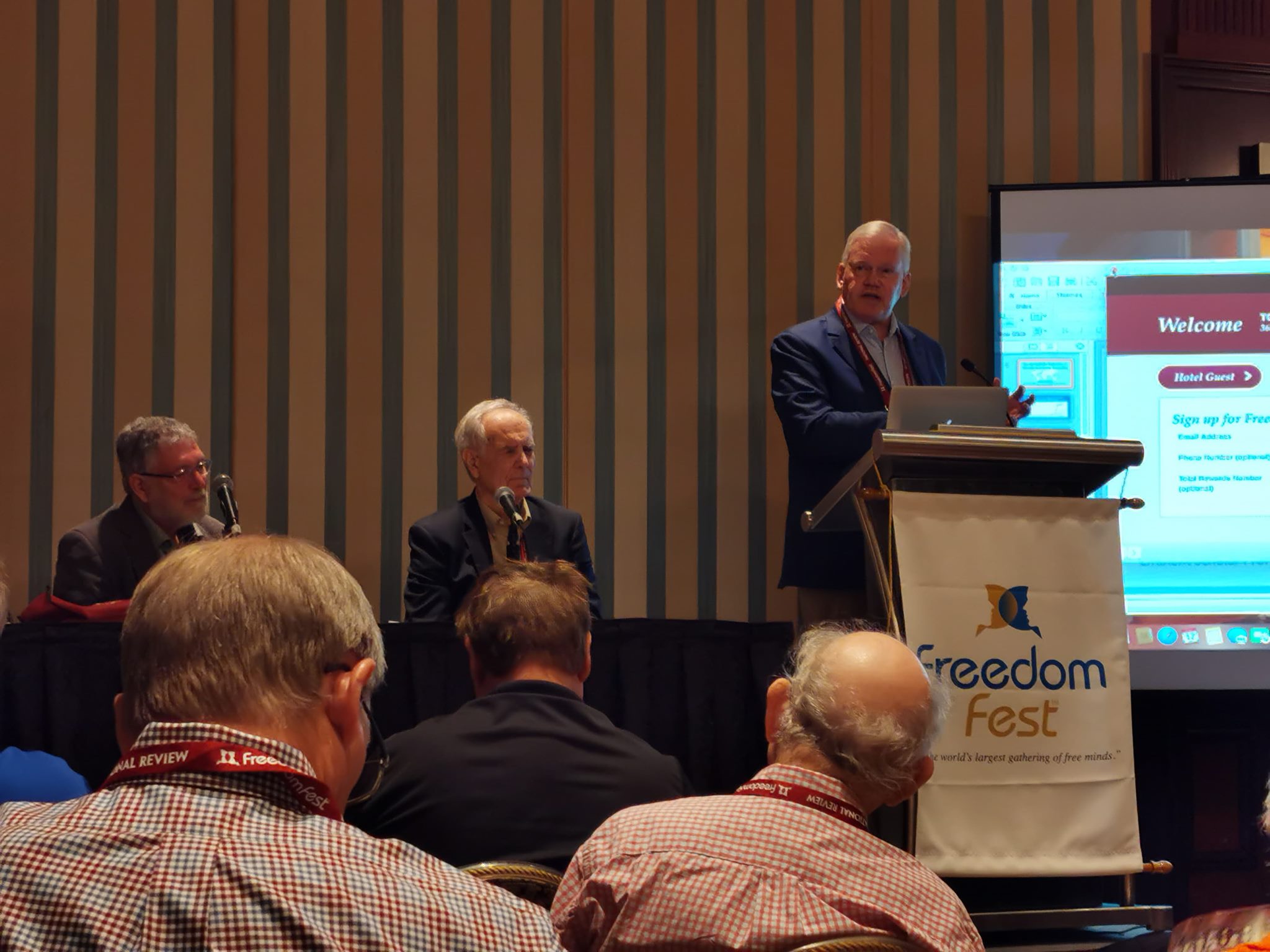
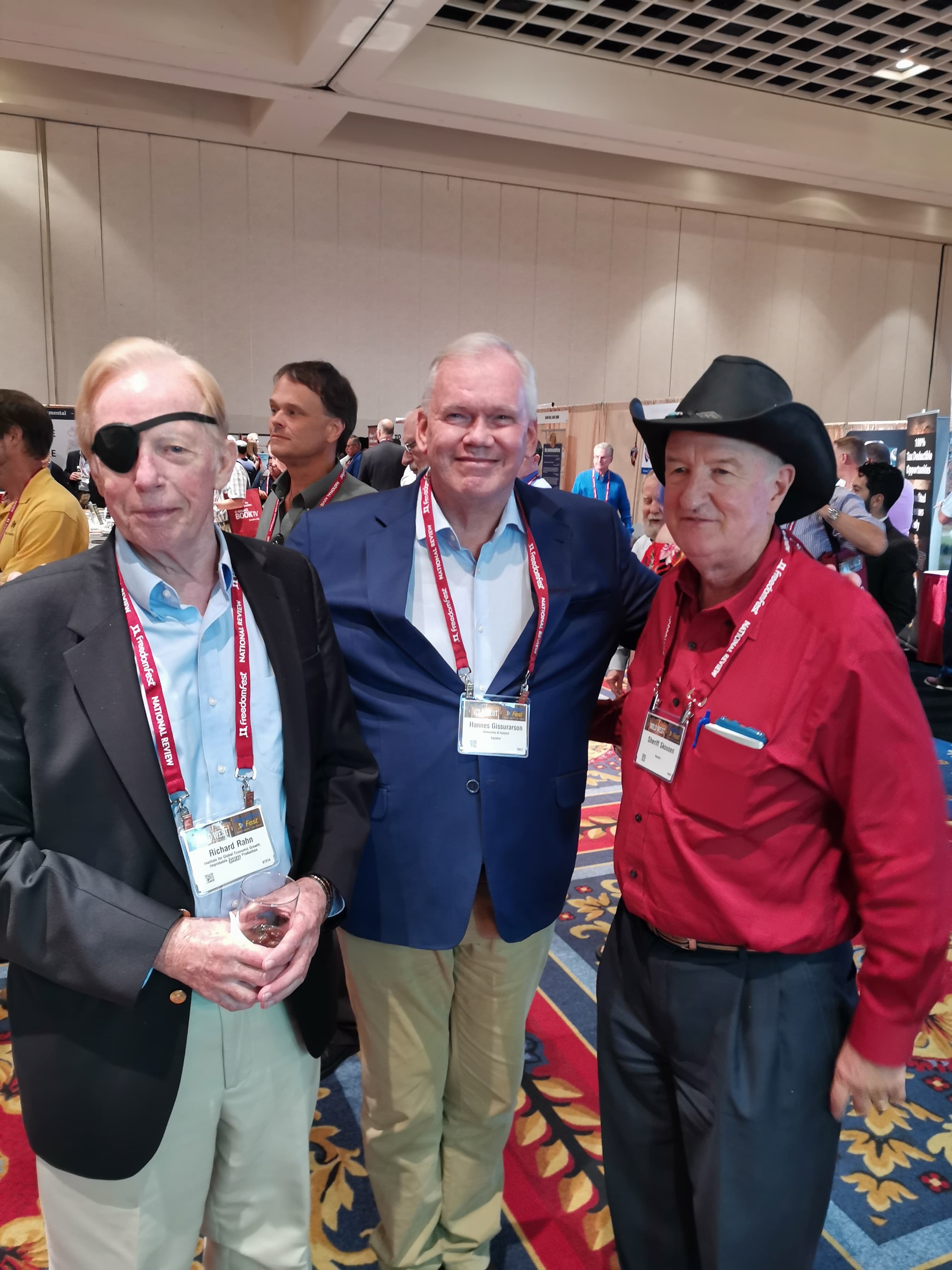
RNH is offering an exciting programme in the next few months. At the end of 2018 two reports in English by RNH Research Director Professor Hannes H. Gissurarson were published by the free-market think tank New Direction in Brussels. One was Why Conservatives Should Support the Free Market and the other one was Spending Other People’s Money: A Critique of Rawls, Piketty and Other Redistributionists. They will be introduced in more detail later. Professor Gissurarson gives a talk on how to make the fisheries sustainable and profitable at an international conference in Gdynia in Poland 22 March 2019. He gives another talk on Nordic liberalism at the APEE annual conference on Paradise Island in the Bahamas 6 April. In May, Gissurarson goes on a lecture tour about his report on Rawls and Piketty, in connection with the Free Market Road Show: in Thessaloniki 6 May, Athens 7 May, London 9 May and Stockholm 10 May. At the annual Freedomfest in Las Vegas, Gissurarson gives a talk 17 July on ‘Green Capitalism’: in 2017, he wrote a report for New Direction with the same name. In November, Gissurarson reads a paper at the Austrian economists’ meeting in Vienna.

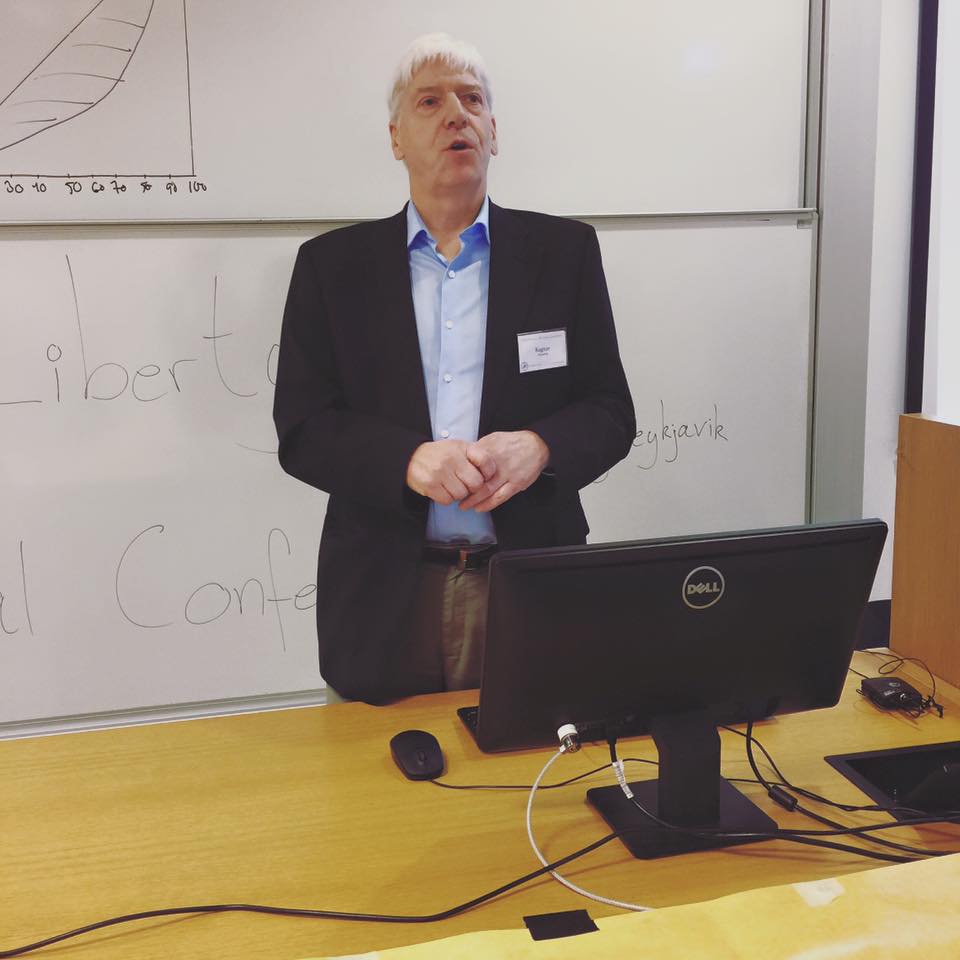
Ragnar Arnason

At the end of 2018, the book In Defence of Western Civilisation: Speeches by Six Writers 1950–1958 was also published (in Icelandic). The authors are poet Tomas Gudmundsson, novelists Gunnar Gunnarsson, Kristmann Gudmundsson and Gudmundur G. Hagalin, and poets Sigurdur Einarsson in Holt and David Stefansson from Fagriskogur. Taking their lead from the book, Professors Stefan Snaevarr and Hannes H. Gissurarson debate the concept of totalitarianism at a seminar in Room 101 in Oddi at the University of Iceland 17 May, 16–18. Professor Olafur Th. Hardarson is chairing the meeting. RNH also participates in the organisation of an international conference in honour of Professor Ragnar Arnason in the festivities hall at the University of Iceland 14 June 2019, 16–18. Speakers at the conference include some of the world’s best-known fisheries economists, Gordon Munro, Trond Bjorndal, James Wilen and Rognvaldur Hannesson. The Chancellor of the University, Dr. Jon Atli Benediktsson, addresses Arnason who turned 70 in early 2019. Afterwards there is a reception in Litla-Hama. The University of Iceland Press publishes a festschrift for Ragnar, Fish, Wealth and Welfare, a collection of his scholarly papers, on the occasion of the conference. It also publishes a collection of papers on fisheries economics delivered at RNH conferences in the past.

RNH and the Public Book Club celebrate the 70th anniversary of NATO, the defence alliance of Western democracies, 4 April 2019 by reprinting two books from the Cold War: The God That Failed was written by Arthur Koestler, Ignazio Silone, Richard Wright, André Gide, Louis Fischer and Stephen Spender. The Future of Small Nations: Speeches in the Nordic Countries 1946–1949 is by Norwegian poet Arnulf Øverland. His visit to Iceland in the spring of 1948 had a great impact on public opinion, and a year later Iceland decided to join Norway and Denmark in signing the North Atlantic Treaty, as Øverland had urged. Professor Gissurarson attends the annual meeting of the Platform for European Memory and Conscience in Tirana 3–6 November 2019.

RNH supports the Summer School of the Icelandic Association of Libertarian High School Students in Reykjavik 1 June 2019, and a regional meeting of the Students for Liberty Europe in Reykjavik 6 September, with Daniel Hannan as the keynote speaker. Many of the events being planned form parts of a joint project with ACRE on ‘Bluegreen Capitalism in Europe’. The aim of that project is to show, with arguments and evidence, that capitalism is compatible with care for the less fortunate in society as well as with environmental protection.

Comments Off

Gissurarson: Protecting Icelandic Sovereignty

The ceremony in front of Government House in Reykjavik on 1 December 1918. Three of the authors of the book published by AB were there: David Stefansson, Gudmundur G. Hagalin and Tomas Gudmundsson, all turning against the communist threat.

Iceland became a sovereign state on 1 December 1918. On the 100th anniversary of Icelandic sovereignty, 1 December 2018, RNH Academic Director Professor Hannes H. Gissurarson published a paper in Morgunbladid. He argued that ever since the foundation of the Icelandic Commonwealth in 930 Iceland had been a sovereign state in a Hegelian sense, as a unifying force, a meeting ground for mutual adjustment. The 930–1262 Commonwealth had been an interesting example of law without government. But Iceland only became a sovereign state in a Weberian sense, as an institution with monopoly of coercion, on 1 December 1918. For decades after that, the sovereign Icelandic state had been threatened by a revolutionary party backed by a foreign totalitarian state: Local communists had fought for what they themselves called Soviet-Iceland, gaining more electoral support than comparable parties elsewhere: 19.5% in the elections of 1946 and 1949. Some distinguished poets and novelists had however confronted them and criticised their attempts, financed by Moscow, to control Icelandic culture: Tomas Gudmundsson, Gunnar Gunnarsson, Kristmann Gudmundsson, Gudmundur G. Hagalin, Sigurdur Einarsson in Holt, and David Stefansson from Fagriskogur. On the 100th anniversary of Icelandic sovereignty, the Public Book Club, Almenna bokafelagid, published speeches by them, In Defence of Western Civilisation (Til varnar vestraenni menningu), edited and annotated by Gissurarson.

Against fierce opposition from local communists, Iceland had enjoyed the protection and support of the United States from 1941 onwards, enabling her in 1952–75 to extend the fisheries limits from 3 to 200 miles, a crucial move for a small nation with little natural resources other than fertile fishing grounds. However, the ‘American Age’ of Icelandic history had come to an end in 2006 when the US military base in Keflavik was closed. After this Iceland has had few friends, as was amply demonstrated during the 2008 bank collapse. Icelandic leaders seemed also to have lost their self-esteem, as was shown by their appeasement of foreign powers in the Icesave dispute. Gissurarson suggested that one reason might be how the Icelandic struggle for independence had been denigrated in modern textbooks. More than two generations of Icelanders had been indoctrinated in schools against the deep and strong national sentiment of the Icelanders, which had found political expression in the foundation of a sovereign state in 1918. Gissurarson’s paper forms a part of the joint project of RNH and ACRE, the Alliance of Conservatives and Reformists in Europe, on ‘Europe, Iceland, and the Free Market’.

Gissurarson paper 1 December 2018

Comments Off