O’Sullivan on the Iron Lady: Sunday 13 October 17–19

Margaret Thatcher, Baroness Kesteven, leader of the Conservative Party in 1975–1990 and Prime Minister in 1979–1990, passed away on 8 April 2013. She is one of the most successful and respected British politicians of all times and the only one which has given a name to a political idea, “Thatcherism”: the determined and relentless pursuit and defence of individual freedom and the creation of opportunities to move from poverty to affluence. It is widely believed that Lady Thatcher did not only change British politics significantly, but also that she and Ronald Reagan, the US President in 1981–9, with their firmness and their foresight, led the Western powers to a complete victory in the Cold War. The Association of Young Independents in Iceland, SUS, holds a meeting about Lady Thatcher, her political heritage and present relevance, on her birthday, Sunday 13 October 2013, in meeting room N-132 in Askja, the Natural Sciences House of the University of Iceland, 17–18. There, the British writer and commentator John O’Sullivan talks about “The Real Iron Lady”. A glimpse will be shown from the recent controversial film on Thatcher, The Iron Lady, where Meryl Streep plays the Prime Minister, and from documentaries about her. Ms. Hanna Birna Kristjansdottir, Minister of the Interior and Vice-Chairman of the Independence Party, chairs the meeting. It will be followed by a reception on the premises, 18–19.

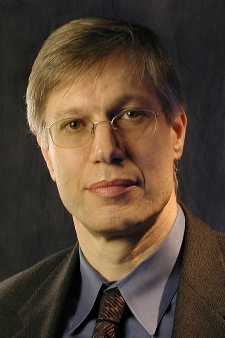
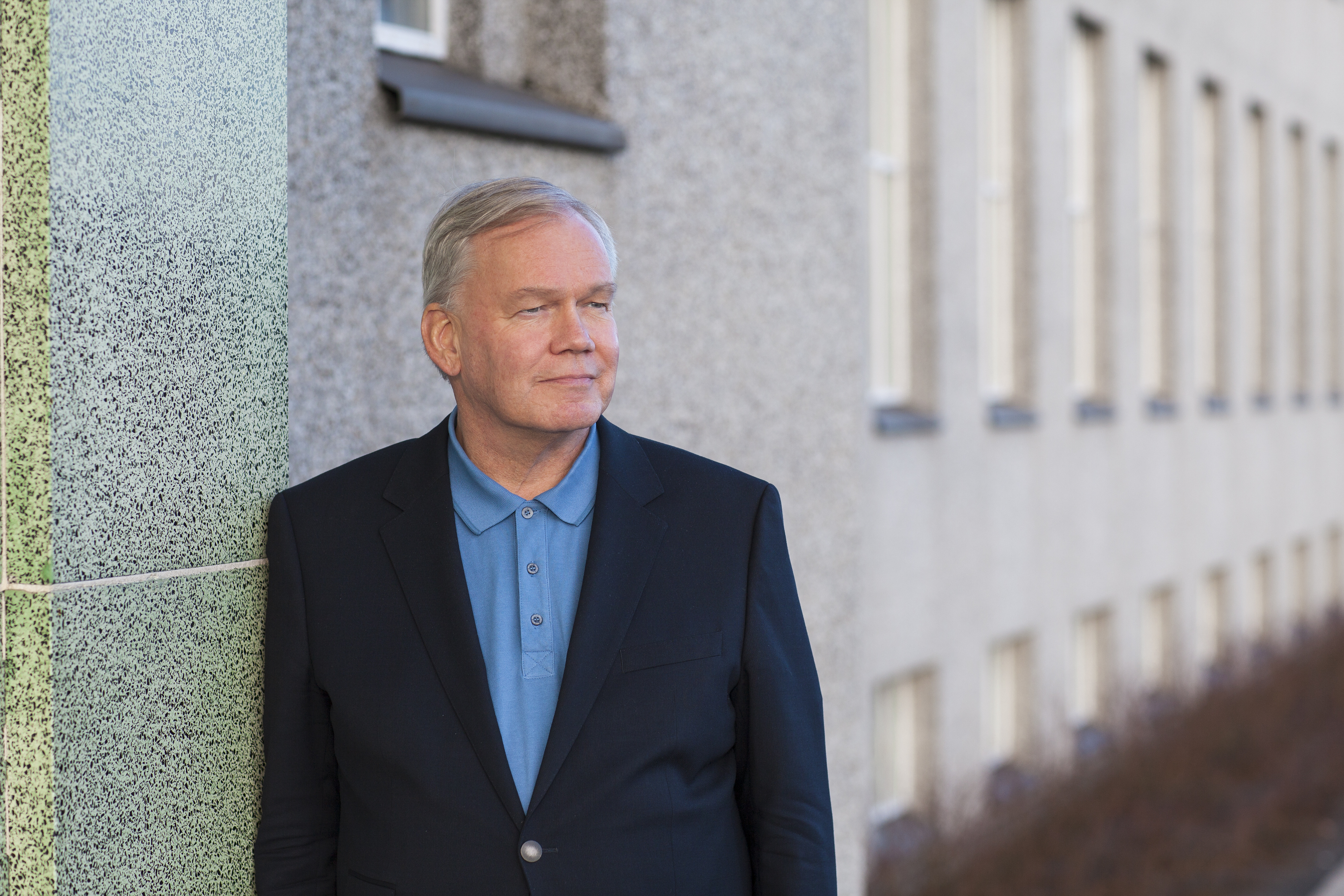
Born in 1942, John O’Sullivan was educated at the University of London. He stood for the Conservative Party in the 1970 elections and was in the 1980s an adviser to Mrs. Thatcher, remaining close to her after her retirement and helping her to write her memoirs in two volumes. He was later the editor of the conservative American magazine National Review, established by the well-known writer William Buckley. O’Sullivan is now editor of Radio Free Europe in Prague. Funded by the American Congress, this radio station played a crucial role in the Cold War by transmitting reliable information and comments to the oppressed nations of Central and Eastern Europe. In 2006, O’Sullivan—a practising catholic—published the book The President, the Pope, and the Prime Minister, arguing that with Mrs. Thatcher and President Reagan, Pope John Paul II contributed to the victory of the West in the Cold War.

RNH supports and promotes this event as a part of the joint RNH-AECR project on “Europe, Iceland and the Future of Capitalism”. Lady Thatcher was the protector of AECR. The next event in the project will be an international conference in memory of Professor Arni Vilhjalmsson, a popular and respected businessman and scholar, Monday 14 October 17–19. The keynote speaker will be an international authority of fisheries policy, Professor Ralph Townsend, who will discuss the logic of ITQs, Individual Transferable Quotas. Professor Ragnar Arnason will argue against resource rent taxes, and Dr. Gunnar Haraldsson, Director of the Economic Research Institute at the University of Iceland, will offer a critical appraisal of the CFP, Common Fisheries Policy, of the EU.
Comments Off

The Bank Collapse, Five Years On: Monday 7 October, 17–19

An international conference on the Icelandic bank collapse, five years on, will take place in Reykjavik Monday 7 October 2013, 17–19, in meeting room N-132 in Askja, the Natural Sciences House of the University of Iceland. Dr. Eamonn Butler analyses the causes of the international financial crisis. He has published many papers on this topic, for example in Verdict on the Crash in 2009. Dr. Pythagoras Petratos describes the situation in Cyprus—a European island like Iceland, but a member of the EU and the eurozone, unlike Iceland. Professor Hannes H. Gissurarson provides explanations for the Icelandic bank collapse and argues against some accounts of it which are not, in his view, supported by the evidence. Dr. Asgeir Jonsson discusses the aftermath of the bank collapse. Ms. Asta Moller, director of the Institute of Public Administration and Politics (and a former MP for the Independence Party), chairs the meeting, and Dr. Stefania Oskarsdottir, Assistant Professor of Politics at the University of Iceland, responds to the papers. The meeting is open and admission is free. This event forms a part of the joint RNH-AECR project on “Europe, Iceland and the Future of Capitalism”.
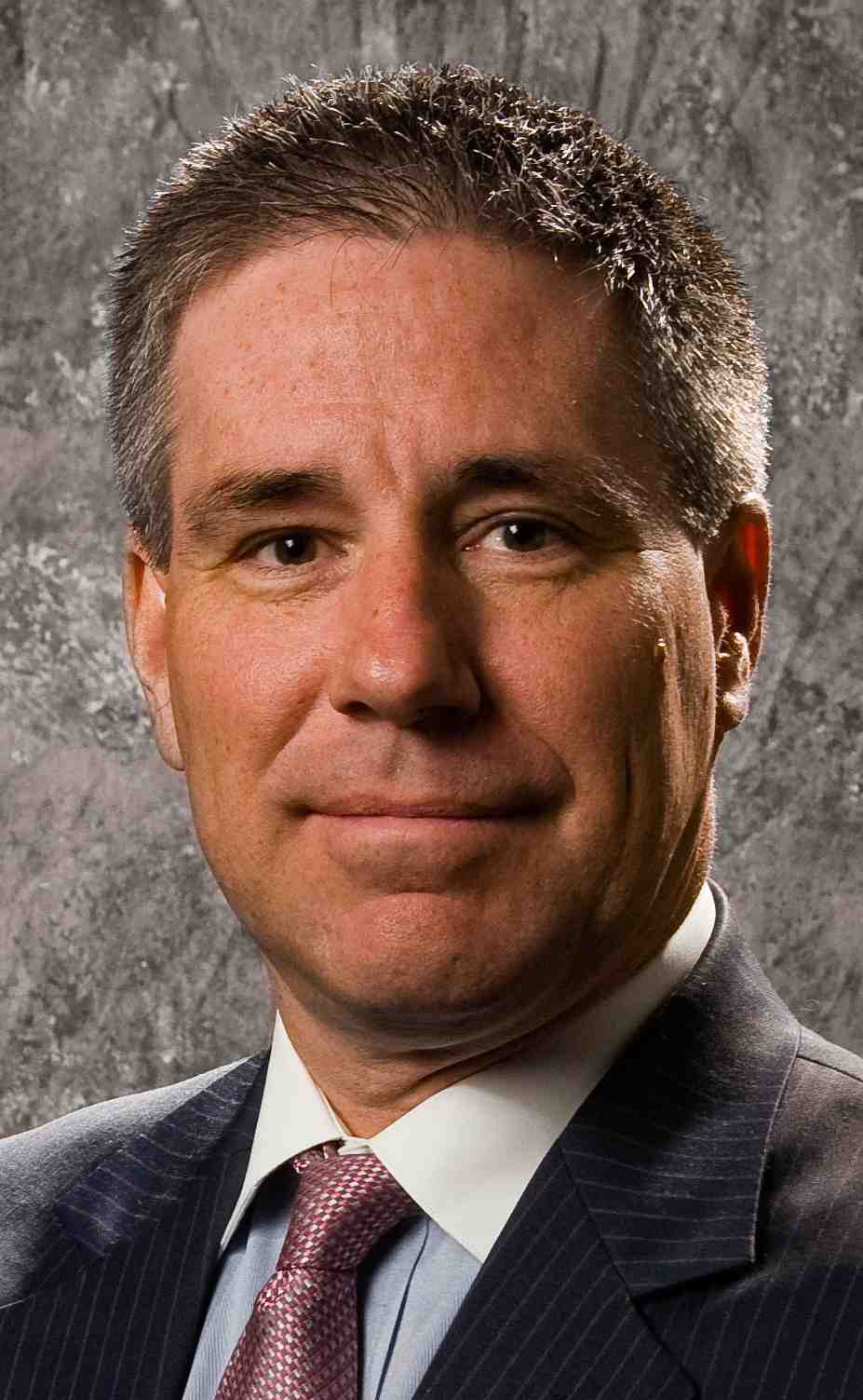
Eamonn Butler has degrees in philosophy, economics and psychology, and a doctorate from St. Andrews University in Scotland. He was a member of the staff of the US House of Representatives before he founded, with Madsen Pirie, the Adam Smith Institute in 1977: its purpose is to educate the public about free markets and economic policy, and to inject sound ideas into the public debate. Dr. Butler is the secretary of the Mont Pelerin Society, an international association of conservative and classical liberal scholars. The author of many books, including introductions to the economic and political ideas of Milton Friedman, Friedrich A. Hayek and Ludwig von Mises, in 2009 he published The Rotten State of Britain where he criticized the Labour government of the day for having invoking the anti-terrorism law against Iceland, Britain’s best friend in Europe, as he said.

Pythagoras Petratos has degrees in finance, economics of health and European politics, and a doctorate from the University of London. His dissertation was on the valuation of new technologies with particular reference to private equity and venture capital, examining also regulation and business cycles. He has been a Visiting Professor at many universities in his homeland Greece, including the University of the Peloponnese, the University of Crete and the University of Thessalia, as well as at Cambridge University. Presently teaching finance at the Said School of Business at Oxford University, Dr. Petratos has published scholarly papers in many fields, including European security and the regulation of new technology.

Hannes H. Gissurarson has degrees in philosophy, history and politics, and a doctorate from the University of Oxford, where he was for two years the R. G. Collingwood Scholar at Pembroke College. His dissertation was on the combination of conservative insights and classical liberal principles in the political thought of Friedrich A. Hayek. Professor of Politics at the University of Iceland, he sat on the board of the Mont Pelerin Society—an international assocation of conservative and classical liberal scholars—in 1998–2004 and on the supervisory board of Iceland’s Central Bank in 2001–9. He is a member of RNH’s Academic Council. The author of several books, including Hayek’s Conservative Liberalism, Overfishing: The Icelandic solution, biographies of Jon Thorlaksson (Prime Minister and Founder of the Independence Party), Benjamin Eiriksson (Joseph Schumpeter’s student and a leading free market economist in Iceland) and Halldor K. Laxness (Iceland’s Nobel Laureate in literature), Professor Gissurarson is now working on a book in English on the Icelandic bank collapse. He is a frequent contributor to the Wall Street Journal, for example on the Icesave dispute, the trial of former Prime Minister Geir H. Haarde, the 2009–2013 left-wing government and the 2013 parliamentary elections.

Asgeir Jonsson has degrees in economic thought and economic history, and a doctorate in international finance from Indiana University. He edited the business paper Visbending in 1995–6 and worked for the Economic Research Institute at the University of Iceland 2000–4, before becoming Head of Economic Research at Kaupthing, the largest Icelandic commercial bank. After the 2008 bank collapse, he became Assistant Professor of Economics at the University of Iceland. In 2009, Dr. Jonsson published Why Iceland? How One of the World’s Smallest Countries Became the Meltdown’s Biggest Casualty, widely regarded as the best book on the Icelandic bank collapse. He is now working on a book in English on the aftermath of the collapse.

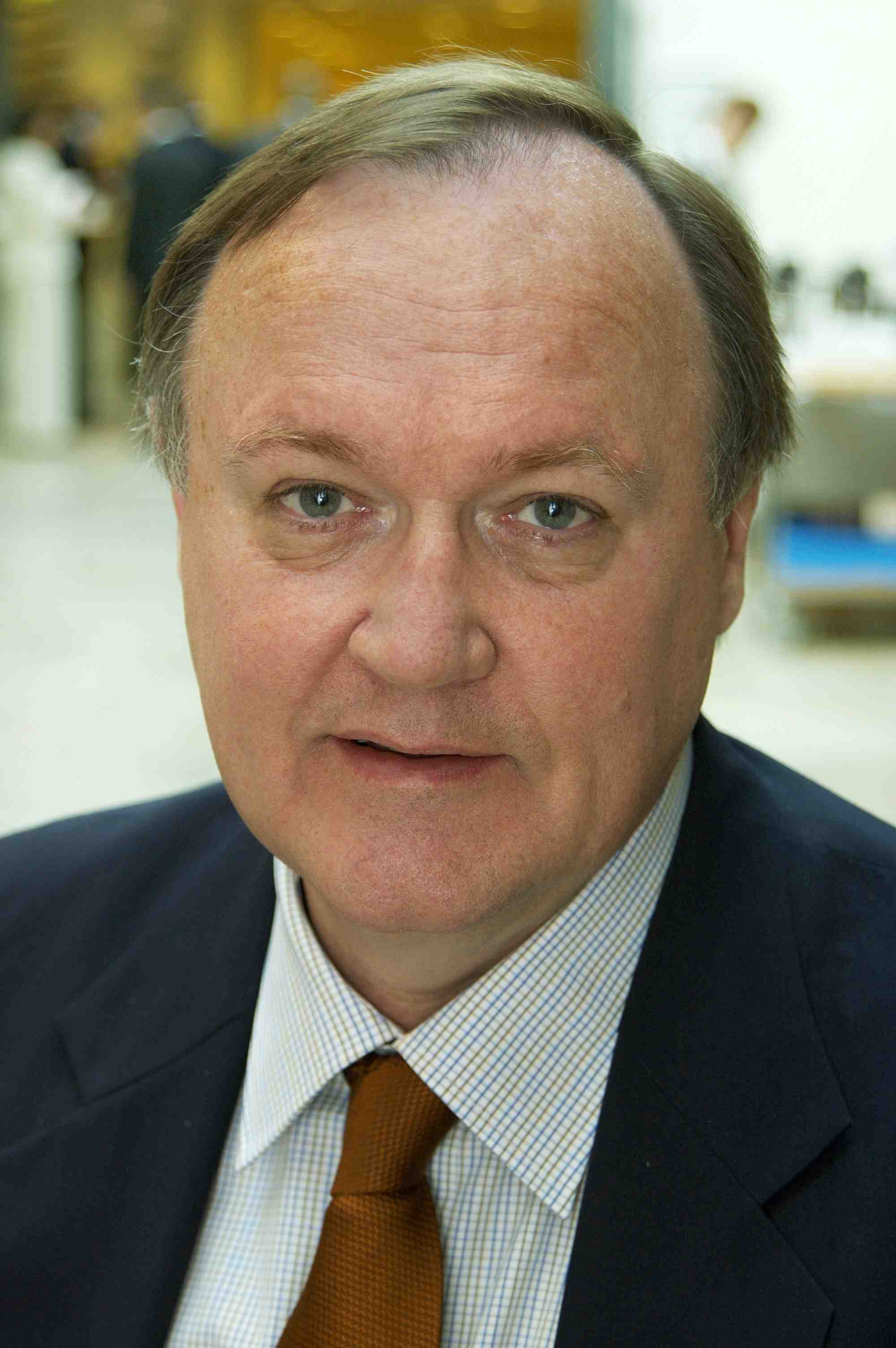
In the evening, Monday 7 October, the annual RNH Freedom Dinner will take place, with David Oddsson, editor of Morgunbladid, as speaker. Oddsson was Mayor of Reykjavik in 1982–91, Prime Minister in 1991–2004, Foreign Minister in 2004–5, and one of the three Governors of Iceland’s Central Bank in 2005–9. At a breakfast meeting of the Icelandic Chamber of Commerce in November 2007, Governor Oddsson said: “Iceland is becoming uncomfortably beleaguered by foreign debt. At a time when the Icelandic government has rapidly reduced its debt and the Central Bank’s foreign and domestic assets have increased dramatically, other foreign commitments have increased so much that the first two pale into insignificance in comparison. All can still go well, but we are surely at the outer limits of what we can sustain for the long term.” Five years ago, in the evening of 7 October 2008 Governor Oddsson appeared in a famous television interview (partly available here on Youtube with English captions) where he outlined a rescue plan for Iceland, which was to draw a fence around the Icelandic part of the banking sector, and to put its foreign part into receivership. While his advice was essentially taken, shortly thereafter Oddsson was driven out of office. In his speech, Oddsson will return to those dramatic days in October 2008. The dinner is already sold out.

RNH also supports and promotes a lecture the very same day, Monday 7 October 2013, in the festivities hall of the University of Iceland, 12–13.30, given by Professor Robert Aliber on small nations like Iceland in the international financial system. Professor Aliber holds a doctorate from Yale University and taught international finance at the University of Chicago in 1965–2004 where he worked with Milton Friedman and other renowned economists. Aliber gave a historic paper in Iceland 5 May 2008 when he said to his astonished audience, “Your banks are dead!” He regarded it as only a question of when, but not if, a run would be made on the Icelandic banks. Iceland was, he said, experiencing an asset bubble which had been caused by a massive injection of foreign credit into the economy. When he was asked for evidence, his answer was, “Count the cranes!” Professor Aliber’s analysis was not well-received by all: the Chief Economist of Iceland’s Central Bank, Arnor Sighvatsson, protested for example vehemently against Aliber at that meeting. After this memorable episode, Aliber has visited Iceland several times.

Comments Off

Oddsson on the Bank Collapse: Freedom Dinner 7 October 2013

David Oddsson, Editor of Morgunbladid, was Governor of Iceland’s Central Bank during the collapse of the Icelandic banks on 7 October 2008, and before that Prime Minister and Foreign Minister in 1991–2005. Tuesday evening 7 October 2008 Governor Oddsson appeared in a famous television interview on Icelandic television (partly available here on Youtube with English captions) where he outlined a rescue plan for Iceland, which was to draw a fence around the Icelandic part of the banking sector, and to put its foreign part into receivership. While his advice was essentially taken, shortly thereafter Oddsson was driven out of office. Oddsson will be the speaker at the Freedom Dinner of RNH Monday night 7 October 2013 and discuss his political legacy, those fateful October days of 2008, as well as the actions taken by the British Labour government and the IMF concerning Iceland.

This is the third Freedom dinner held in Reykjavik, previous speakers having been, in 2011, Dr. Tom Palmer from Cato Institute in Washington DC, and in 2012, Dr. Matt Ridley, Viscount Ridley, an internationally renowned authority on science. As many more now want to attend than could be accommodated in the usual venue of Thingholt, the dinner has been moved to Bjortuloft in Harpa. Therefore a few seats are still available, at two prices, a champion price of 30,000 Icelandic crowns, and a student price of 15,000 crowns. Those interested in attending can contact Jonas Sigurgeirsson, the executive director of RNH, at jonas@bokafelagid.is The Freedom Dinner begins at 19.00 with a cocktail, and then going on to a four-course menu.

The same day, Monday 7 October 2013 between 17 and 19 at the University of Iceland, in meeting hall N-132, a conference on the bank collapse will be held. Dr. Eamonn Butler of the Adam Smith Institute in London will analyse the causes of the international financial crisis. Dr. Pythagoras Petratos of the Said School of Business at Oxford University will describe the fate of Cyprus: an island like Iceland, but a member of the EU and the eurozone. Professor Hannes H. Gissurarson will discuss explanations of the Icelandic bank collapse; he is working on a book in English on the subject. Dr. Asgeir Jonsson, Assistant Professor of Economics at the University of Iceland, will talk about the aftermath of the bank collapse; the author of a book on the bank collapse, Why Iceland, Jonsson is writing a book in English on the subject. Dr. Stefania Oskarsdottir, Assistant Professor of Politics at the University of Iceland, will comment on the papers. Asta Moller, director of the Institute of Public Administration and Politics at the University of Iceland, chairs the meeting. More information on the conference will be made available later. The conference forms a part of the RNH-AECR joint project on “Europe, Iceland and the Future of Capitalism”.
Comments Off

Gissurarson: Iceland Taken Down?

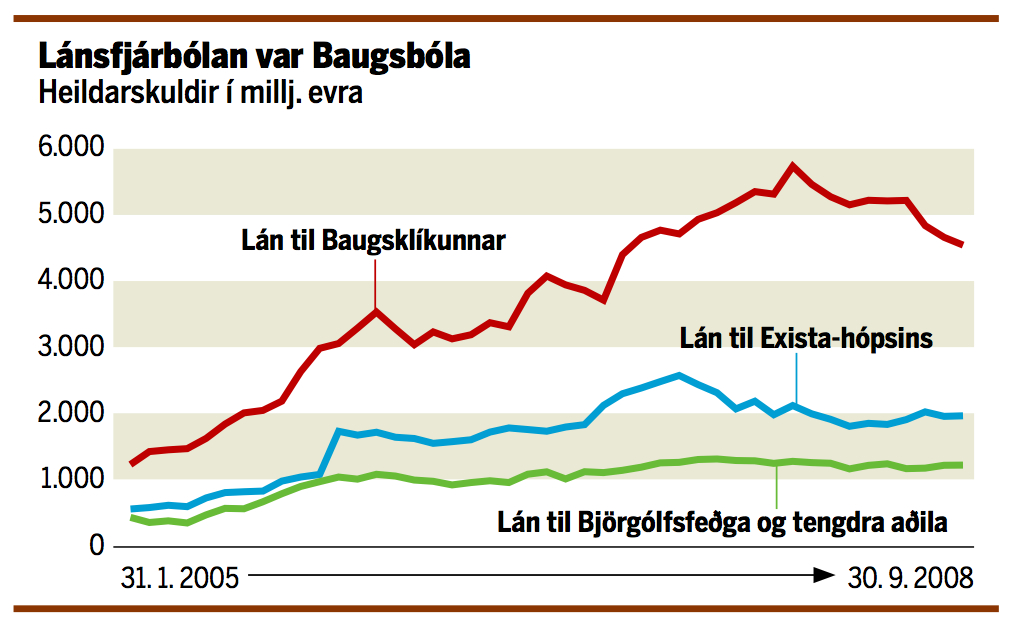
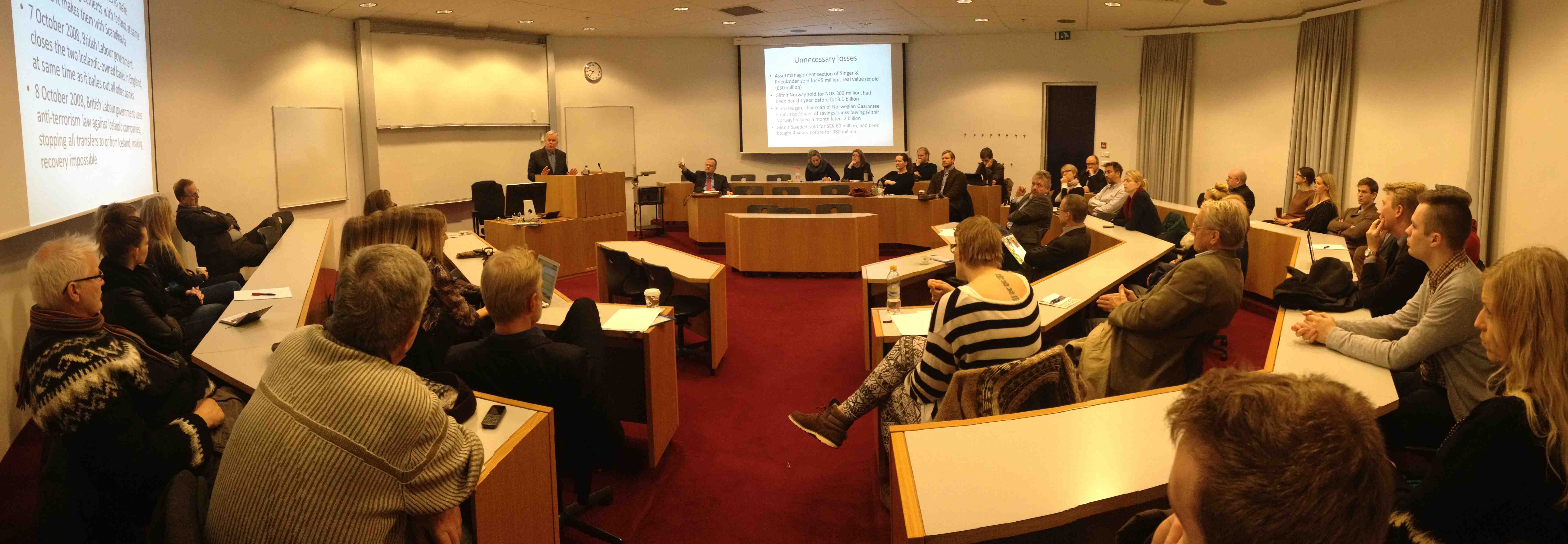
Professor Hannes H. Gissurarson, a member of RNH’s Academic Council, gave a lecture on the 2008 Icelandic bank collapse at the Freedom Summit of European Young Conservatives in Cambridge 22 September 2013. Gissurarson agreed with one of the main conclusions in the report by the Special Investigation Commission on the bank collapse, appointed by the Icelandic parliament, that in the Icelandic banking sector a special and additional systemic risk had been created by the debt accumulation of some of the banks’ owners, in particular the Baugur Group under the leadership of Jon Asgeir Johannesson. Another systemic risk, special to the Icelandic banking sector, was that its field of operations was much bigger than what ultimately proved to be its area of institutional support. While those two systemic risks made the Icelandic banking sector vulnerable, Gissurarson pointed out that three crucial decisions then made had not been adequately explained: Why did the US Federal Reserve System make currency swap deals with all the Scandinavian central banks—essentially a license to print dollars—refusing a similar deal with the Icelandic central bank? Why did the British Labour government close the two Icelandic-owned banks in London at the same moment as it bailed out all other banks in England, including banks under investigation for money laundering and libor rate-fixing and excessive management benefits? Why did the Labour government then use the British anti-terrorism law against Icelandic institutions (briefly the Central Bank) and companies (Landsbanki), thus virtually cutting Iceland off from the rest of the world?

From left: Karitas Olafsdóttir, Hannes, Aslaug Arna Sigurbjornsdottir and Hilmar Freyr Kristinsson.

Professor Gissurarson mentioned some reasons why there was hostility to the Icelandic banks in neighbouring countries. The British Secret Service, MI5, had for example investigated the bank owners because of suspicion that they had been laundering Russian mafia money. No evidence was found substantiating this.  The Secretary of the Treasury, Alistair Darling, has stated in his memoirs that some Icelandic bankers had been generous donors to the British Conservative Party. Gissurarson said that he had searched for evidence of this, but not found any. Many city councils controlled by the Labour Party had kept their money in Icesave accounts, operated by one of the Icelandic banks, and the Labour government was presumably under pressure from them when the banks became vulnerable. The main explanation, however, was doubtlessly that the Icelandic banks had been tough competitors on the European financial markets. The financial establishment in Europe and probably North America too had concluded that the Icelandic banks had to be taken down, as an example to the rest, just as Lehman brothers had not been rescued two weeks before the Icelandic collapse. Gissurarson made clear that he was not defending the Icelandic banks, only pointing out that many big banks elsewhere in Europe would have collapsed, if they had not been rescued by currency swap deals made with the American Fed, for example Danske Bank in Denmark and UBS and Credit Suisse in Switzerland. Professor Gissurarson added that he did not believe in bank bailouts at whichever cost. For example, Irish taxpayers now were saddled with an enormous burden from their government having guaranteed all the obligations of their banks.

The Freedom Summit was held on the occasion of the 20th anniversary of European Young Conservatives. The Icelandic Young Independents had been one of the founding associations. The then-leaders of the Young Independents had agreed with the Young Conservatives in the United Kingdom and others that many youth organisations in Europe were too dependent on the Brussels bureaucracy. Margaret Thatcher, former Prime Minister of the United Kingdom, was the protector of EYC, and David Oddsson, Prime Minister of Iceland 1991–2004, served as one of its honorary presidents. Tim Dier is the present chairman of EYC. Daniel Hannan, a long-time friend of Iceland, MEP and the secretary of AECR, the Alliance of European Conservatives and Reformists, gave the keynote speech at the Freedom Summit dinner Saturday 21 September. Another long-time friend of Iceland, Andrew Rosindell, MP, gave the closing remarks Sunday 22 September. Rosindell was the first chairman of EYC. He has often visited Iceland and has many Icelandic friends. In his remarks, he pointed out that the EYC logo was an Icelandic swallow flying, the symbol of freedom. The founders of EYC did not want the traditional EU ring of stars. Eight representatives of the Icelandic Young Independents came to the Freedom Summit. They were shown the Churchill archives, kept in Churchill College, which was the Summit venue. AECR was the main supporter of the summit where 120 representatives of 37 countries came together. The participation of Professor Gissurarson in this event forms a part of the joint RNH-AECR project on “Europe, Iceland and the Future of Capitalism”.
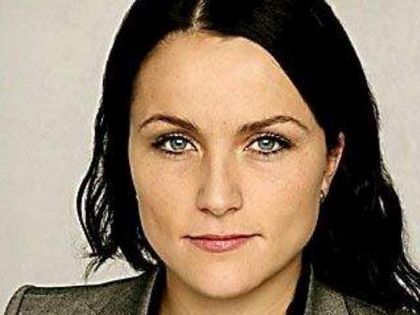
Professor Gissurarson discussed his findings about the bank collapse on the popular radio show “Harmageddon” Wednesday 25 September, where his hosts were Frosti Logason and Mani Petursson.

Comments Off

Elliott: Against Government Waste and High Taxes

Photo: Haraldur Guðjónsson

Matthew Elliott, who founded the British Taxpayers’ Alliance, gave a talk at a well-attended meeting of RNH and the Icelandic Taxpayers’ Alliance Friday 20 September 2013. The author of several books critical of oppressive taxes and the waste of taxpayers’ money, Elliott briefly described the foundation and operation of the TPA, an independent grassroots organisation comprising about 80,000 people, making a huge impact on British politics. He argued that taxes had to be moderate and simple, adding that there were ample opportunities to save money by eliminating waste, and without cutting essential government services to the really needy. He said that his favourite example of government waste was that in one of the office buildings of the British parliament, ten trees had been put up for no less than £400,000. Elliott reminded the audience that a grassroots organisation had to focus on simple and intelligible examples, bringing the real problem closer to people so that they could relate to them.

In his successful visit to Iceland, Elliott also talked about public policy reforms at a meeting held by the Independence Party Saturday 21 September. Gunnlaugur Snaer Olafsson of the Youth Against EU Membership conducted an online interview with Elliott, now available on Youtube. There, Elliott described the waste and corruption in Brussels where the bureaucrats were mostly tax-free. He pointed out that the EU funded a huge propaganda machine. Morgunbladid published an interview with Elliott 19 September. There, he said that the European nations would find themselves at crossroads after the German parliamentary elections: Some would like to go further in integrating Europe, others wanted to maintain their national identity and sovereignty. The United Kingdom was, like Norway and Iceland, situated in the outer belt, so to speak, of Europe. The online magazine Andriki published a news item about the meeting with Elliott 20 September. The business magazine Vidskiptabladid gave an account of Elliott’s talk 20 September and also published an online interview with Elliott on its website. The meeting with Elliott formed a part of the joint RNH-AECR programme on “Europe, Iceland and the Future of Capitalism”. This meeting was also the first event in a research project on taxes jointly undertaken by RNH and the Icelandic Taxpayers’ Alliance. The next two events will be Monday 14 October in the ceremonies hall (hatidasalur) of the University of Iceland, 17–19, where arguments against a special resource rent tax will be discussed, and Monday 4 November in N-131 in Askja, the Natural Sciences House of the University of Iceland, 12–13, where Dr. Daniel Mitchell of Cato Institute will discuss the evidence for the Laffer Curve.
 

Comments Off

Gissurarson on Bank Collapse: Cambridge 22 September 2013

Professor Hannes H. Gissurarson, a member of the RNH Academic Council, gives a paper on the Icelandic bank collapse and lessons which European nations may draw from it, at the “Freedom Summit” of the European Young Conservatives at Churchill College, Cambridge, 22 September 2013. In his paper, Gissurarson will discuss the characteristics of the Icelandic bank collapse and its specific causes, in addition to the main causes of the international financial crisis. These specific causes include two systemic risks in the Icelandic banking sector; one because of cross-ownership and the inflated value of collateral; and another one because of the asymmetry of the field of operations and area of institutional support.

Professor Gissurarson will present his theories and investigations on why the American Federal Reserve System did not support the Icelandic Central Bank, at the same time as it made generous currency swap agreements with almost all other Western central banks outside the eurozone, and why the British Labour government closed the two Icelandic banks in England, on the very same day as it bailed out all other banks in England, and why the Labour government also used an anti-terrorism law against Icelandic companies and institutions, with the consequence that a total collapse of the financial sector became inevitable. This event is a part of the joint RNH-AECR project on “Europe, Iceland and the Future of Capitalism”. Other speakers at the conference include Daniel Hannan MEP, Secretary-General of AECR, and Eric Pickles MP, Secretary of State for Communities and Local Government.
Gissurarson slides Cambridge

Comments Off